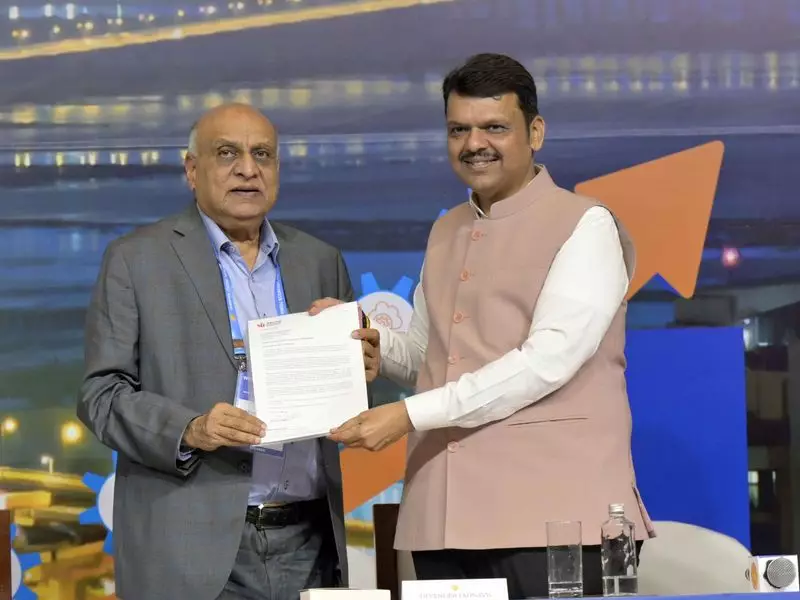
Prominent industrialist H.M. Bangur has issued a compelling call for India to look inward and reconnect with its foundational civilisational ethos as the ultimate pathway to enduring prosperity. He made these remarks while delivering a keynote address at the prestigious World Hindu Economic Forum (WHEF) 2025, held in Mumbai from February 14 to 16.
The Core Argument: Dharma as an Economic Foundation
Bangur, the chairman of Shree Cement, argued that the relentless pursuit of material wealth, detached from deeper value systems, leads to a hollow form of development. He emphasised that India's ancient civilisational principles, such as trust (vishwas), righteousness (dharma), and duty (kartavya), are not merely spiritual concepts but robust frameworks for sustainable economic conduct. According to him, these timeless values foster long-term thinking, ethical business practices, and social cohesion, which are critical for a nation's true and lasting success.
"We have chased prosperity by often imitating Western models," Bangur stated, reflecting on India's recent economic journey. "But for sustainable, all-encompassing prosperity that leaves no one behind, we must reinvest in our own civilisational capital." He suggested that this philosophical shift is essential for India to carve out a unique and influential identity in the global economic order.

Bridging Ancient Wisdom and Modern Markets
The industrialist's address served as a powerful bridge between India's rich philosophical heritage and the demands of a modern, globalised economy. He did not advocate for a retreat from progress or innovation. Instead, Bangur proposed integrating core civilisational values into contemporary corporate governance, entrepreneurship, and international trade practices.
This approach, he believes, can address modern challenges like corruption, short-term profit chasing, and environmental degradation. By building economic systems rooted in dharma and trust, India can create a more resilient and equitable market ecosystem. The World Hindu Economic Forum 2025, with its theme centered on aligning economic growth with civilisational consciousness, provided the perfect platform for this significant discourse.
Implications for India's Global Economic Role
Bangur's vision extends beyond domestic policy. He posits that a value-driven economic model could become India's unique offering to the world. As nations grapple with inequality and sustainability crises, India's example of harmonising material progress with spiritual and ethical foundations could position it as a thought leader.
The call to action is clear: for India to achieve and sustain prosperity, it must leverage its greatest asset—its centuries-old value system. This requires conscious effort from business leaders, policymakers, and educators to weave these principles into the fabric of economic education and enterprise. The forum concluded with a reinforced belief that India's journey to becoming a Vishwaguru (world teacher) might well be paved by the principles of its own ancient economic wisdom, reinterpreted for the 21st century.