

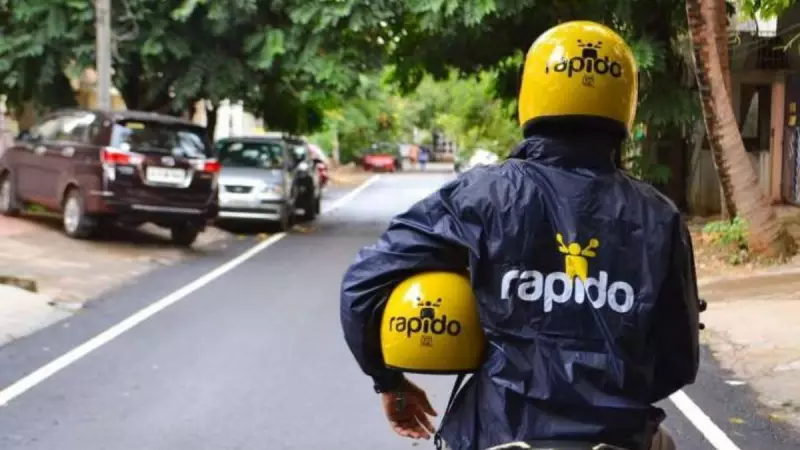
A social media post by a Bengaluru-based gig worker has ignited a heated national conversation about income, working conditions, and sustainability in India's rapidly growing platform economy. The user, identified as Nithin Kamath, shared a screenshot of his earnings from a four-day period working as a bike captain for the ride-hailing app Rapido, revealing he made a total of Rs 4,000.
The Viral Post That Started It All
On the platform X (formerly Twitter), Kamath posted his earnings details on January 7, 2026. The breakdown showed his total earnings for the four days amounted to Rs 4,000. This straightforward share was not presented with a complaint or boast, but simply as a data point from his experience. However, it acted as a spark in the tinderbox of public opinion regarding the gig economy.
The post quickly went viral, amassing thousands of views, likes, and a flood of comments. The reaction was sharply divided, creating two distinct camps with very different interpretations of what this income figure represents.

A Divided Public Reaction
One segment of users viewed the earnings positively. They argued that earning Rs 1,000 per day, or Rs 4,000 in less than a week, is a decent income for a job that requires minimal formal entry barriers. Many compared it favorably to other blue-collar or entry-level jobs in the city, suggesting it offers flexibility and a reasonable payout for the effort.
However, a louder and more critical chorus of voices highlighted the hidden costs and pressures. Critics were quick to point out that the Rs 4,000 is a gross figure, not net income. They argued that once operational expenses are deducted, the actual take-home pay shrinks dramatically.
The major costs highlighted by commenters include:
- Fuel costs for the bike over four days of riding.
- Regular vehicle maintenance and servicing.
- Depreciation of the bike's value due to extensive use.
- Lack of any employer-provided benefits like health insurance, paid sick leave, or provident fund.
- The inherent risks of road accidents and bearing all associated liability.
This group argued that after accounting for these significant expenditures, the daily net income could be meager, raising serious questions about the long-term viability and fairness of such work.
The Bigger Picture: Gig Work in India's Urban Landscape
This incident is not an isolated one but part of a persistent global and national dialogue about the nature of platform-based work. Apps like Rapido, Swiggy, Zomato, Uber, and Ola have created millions of micro-entrepreneurial opportunities, but they also operate in a regulatory gray area concerning worker classification and rights.
The debate around Nithin Kamath's post underscores a central tension in India's gig economy: the balance between flexibility and financial security. While the model offers unmatched autonomy in choosing working hours, it often transfers all operational risk and cost onto the individual worker.
Bengaluru, as India's tech capital and a city with a high cost of living, serves as a potent backdrop for this discussion. The city has a vast pool of both full-time and part-time gig workers serving its dense population. Their collective experiences shape the perception of whether such jobs are sustainable livelihoods or just temporary side hustles.
The viral earnings post has forced people to move beyond abstract debates and look at real numbers. It asks a fundamental question: Is earning Rs 1,000 a day, before expenses, in a metropolitan city like Bengaluru, a fair deal for the labor and risk involved?
As the gig economy continues to expand, discussions triggered by posts like Kamath's are likely to grow louder, potentially influencing future labor policies, platform business models, and public perception about the true cost of on-demand convenience.






