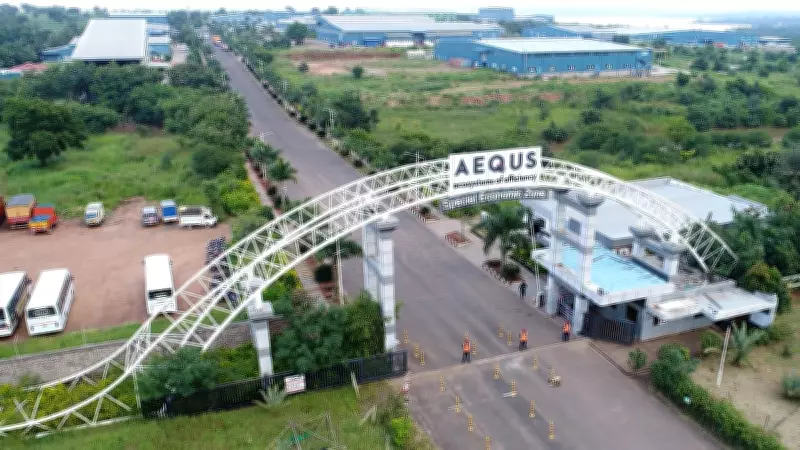
Major companies such as Infosys, Wipro, and Aequs expanded beyond Bengaluru long before the term 'Beyond Bengaluru' was coined. While talent is abundant in these regions, the supporting ecosystems still lag behind, posing challenges for sustained growth.
The Shift Beyond Bengaluru
Over the past decade, several large corporations have set up operations in cities like Mysuru, Hubballi, and Mangaluru. This move was driven by the need to tap into a vast pool of skilled professionals outside the congested tech hub. However, despite the availability of talent, these cities often lack the robust infrastructure, startup culture, and networking opportunities that Bengaluru offers.
Challenges in Ecosystem Development
While talent is plentiful, factors such as inadequate public transport, limited co-working spaces, and fewer venture capital firms hinder the growth of a thriving business ecosystem. Additionally, local government policies and bureaucratic hurdles can slow down the establishment of new enterprises.

Nevertheless, companies like Infosys have successfully established large campuses in Mysuru, and Wipro has a significant presence in Hubballi. Aequs, a leader in aerospace manufacturing, has built a cluster in Belagavi. These examples show that with strategic planning, companies can leverage local talent effectively.
The Road Ahead
To fully realize the potential of regions beyond Bengaluru, there needs to be a concerted effort from both the private sector and the government. Investment in infrastructure, skill development programs, and incentives for startups can help bridge the ecosystem gap. As more companies expand outward, the hope is that these regions will evolve into self-sustaining hubs of innovation and employment.
Ultimately, the success of the 'Beyond Bengaluru' initiative depends on creating an environment where talent can thrive, not just exist.