Bihar Government and ADB Discuss Major Investment Package for State-Wide Development
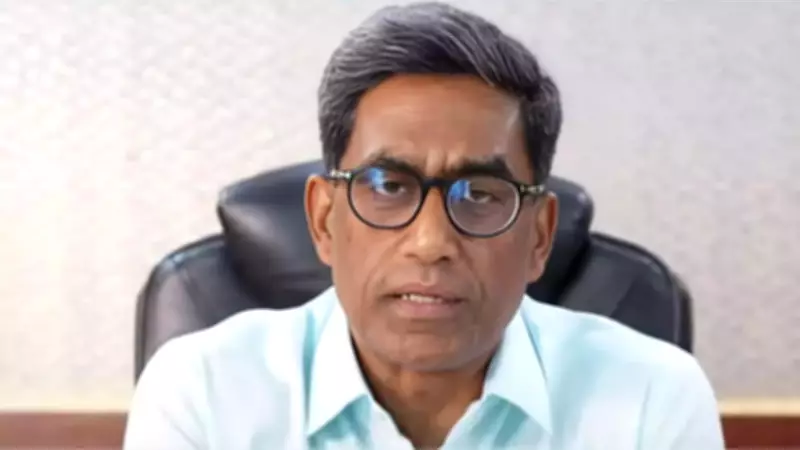
A crucial high-level meeting was convened in Patna on Monday, chaired by Chief Secretary Pratyaya Amrit, with representatives from the Asian Development Bank (ADB). The primary agenda was to deliberate on a series of investment proposals valued at over one billion dollars, aimed at fostering comprehensive and multi-sectoral development across the state of Bihar.
Broad-Based Participation and Strategic Vision
Senior officials from numerous key state departments actively participated in the discussions. These included representatives from finance, education, water resources, agriculture, urban development and housing, civil aviation, road construction, industries, tourism, and youth employment and skill development. This wide-ranging participation underscores the holistic nature of the proposed development initiatives.
Chief Secretary Pratyaya Amrit expressed the state's readiness for a significant leap forward in critical economic and infrastructure sectors. He emphasized that the strategic partnership with the ADB would be instrumental in accelerating Bihar's developmental trajectory. The state government committed to thoroughly examining the proposals and returning with a concrete action plan for implementation.

Key Priority Areas for Collaboration Outlined
Mio Oka, the India Country Director of the ADB, outlined several priority areas for the proposed collaboration. The comprehensive package includes:
- Tourism and Heritage: A focused initiative for the comprehensive development of the Buddhist Circuit to boost tourism.
- Agricultural Transformation: Projects centered on water resources management and agricultural modernization.
- Skill Development: A state-wide program aimed at enhancing employability through job-linked skills training.
- Urban Infrastructure: Resilience and development projects for select cities to strengthen urban services.
- Energy Sector Reforms: Expansion of renewable energy with grid integration and modernization of the power distribution system.
- Healthcare Advancement: A transformation program for health services and medical education capacity.
Officials highlighted that this proposed investment package is expected to deliver substantial benefits. These include improving irrigation and farm productivity, enhancing urban services and climate resilience in cities, expanding reliable power supply for households and industry, upgrading healthcare infrastructure, and creating skilled employment opportunities.
The Buddhist Circuit proposal, in particular, is anticipated to generate tourism-led local employment and stimulate small business growth across key heritage destinations in the state.
Innovation and Economic Reforms on the Agenda
The meeting also delved into innovation-focused interventions designed to strengthen Bihar's economic foundation. Key discussions included:
- Women-centric development of Micro, Small, and Medium Enterprises (MSMEs).
- Initiatives to enhance manufacturing competitiveness and improve logistics networks.
- A public financial management program, including support for Public-Private Partnership (PPP) development.
- Measures to reduce the school readiness gap and strengthen foundational learning for children.
Specific proposals involved developing integrated manufacturing and logistics clusters in Gaya and Muzaffarpur. Additionally, reforms aimed at improving capital expenditure efficiency and enhancing revenue collection mechanisms were discussed as integral components of the proposed engagement with the ADB.
ADB's Strategic Commitment to Bihar's Future
Representatives from the Asian Development Bank articulated that their strategic engagement with Bihar is evolving towards delivering high-impact, multi-sectoral solutions. The approach combines global expertise with concessional financing to accelerate the state's transition toward a higher-productivity, innovation-driven economy. This partnership signifies a concerted effort to address complex developmental challenges through integrated and sustainable interventions.