

RSS-Affiliated BMS Opts Out of February 12 General Strike, Terms It 'Politically Motivated'
In a significant development, the Bharatiya Mazdoor Sangh (BMS), the labour wing affiliated with the Rashtriya Swayamsevak Sangh (RSS), has officially declared that it will not participate in the nationwide general strike scheduled for February 12, 2026. The organization has characterized the agitation as politically motivated, distancing itself from the broader trade union movement.
BMS General Secretary's Statement Highlights Constructive Engagement
In a detailed statement released on January 31, 2026, BMS General Secretary Ravindra Himte articulated the organization's stance. He emphasized that the BMS consistently supports constructive and pro-labour initiatives undertaken by the government. This approach underscores the BMS's commitment to engaging with policymakers through dialogue rather than disruptive actions.
Himte further clarified that while the BMS is supportive of government efforts that benefit workers, it remains vigilant and firmly opposes and raises objections to any policies that could adversely affect the labour force. This balanced position reflects the BMS's strategy of advocating for workers' rights within the framework of constructive collaboration.

Context of the General Strike and BMS's Strategic Decision
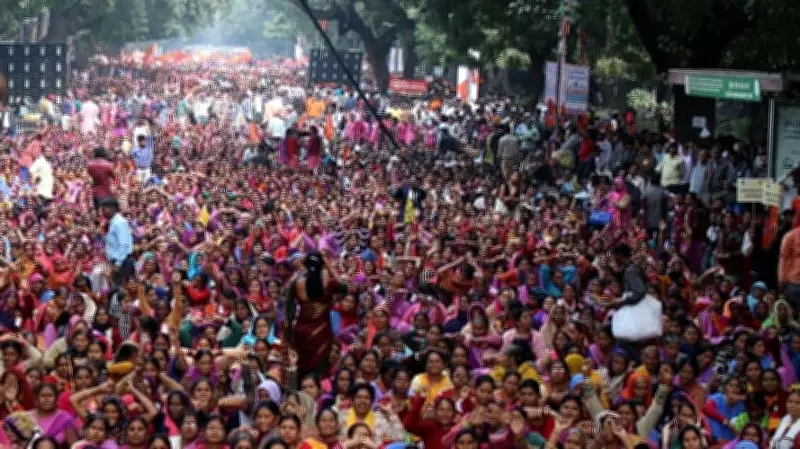
The general strike on February 12 has been called by various trade unions across India to protest against a range of issues, including economic policies, labour reforms, and social security concerns. The BMS's refusal to join this strike marks a notable divergence from other labour organizations, potentially influencing the strike's impact and public perception.
By labeling the strike as politically motivated, the BMS suggests that the agitation may be driven by partisan interests rather than genuine labour concerns. This stance aligns with the RSS's broader ideological framework, which often emphasizes national unity and constructive criticism over confrontational tactics.
Implications for Labour Movements and Government Relations
The BMS's decision could have several implications:
- Reduced Participation: The absence of the BMS, a major labour organization, might lead to lower turnout in the strike, affecting its overall effectiveness.
- Political Ramifications: This move highlights the deepening political divides within India's labour movement, with the BMS positioning itself as a supporter of government initiatives while other unions adopt a more oppositional stance.
- Future Collaborations: The BMS's emphasis on constructive engagement may pave the way for closer cooperation with the government on labour policies, potentially influencing upcoming reforms.
As the date of the general strike approaches, the BMS's stance is likely to spark further debate among trade unions, policymakers, and the public. The organization's commitment to pro-labour initiatives, coupled with its refusal to participate in what it deems a politically charged strike, underscores the complex dynamics at play in India's evolving labour landscape.






