Tata Sons Chairman Requests Delay in Tenure Extension Amid Boardroom Debate
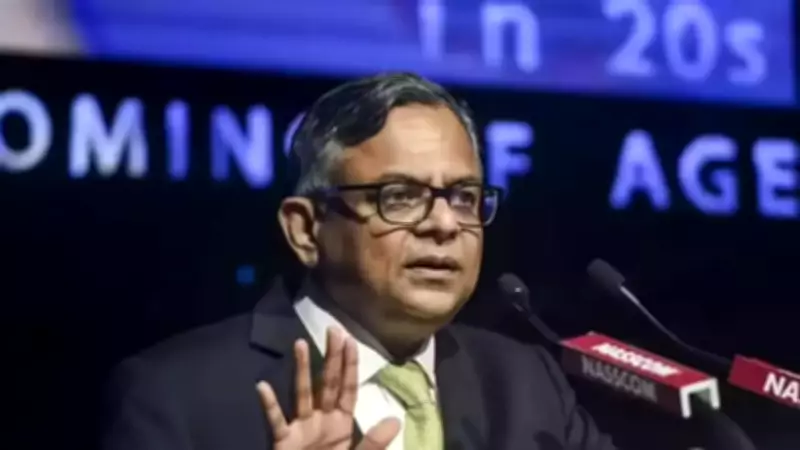
In a significant development at Tata Sons, executive chairman N Chandrasekaran has formally requested that the board postpone deliberations regarding the extension of his tenure for a third term. This request came during the Tata Sons board meeting held on Tuesday, following the emergence of differences among directors, according to individuals familiar with the proceedings.
Concerns Over New Venture Losses Spark Discussion
During the meeting, Tata Trusts chairman Noel Tata raised pointed concerns about financial losses incurred by some of the Tata Group's newer business ventures. This prompted an extensive and detailed discussion among board members regarding the performance and strategic direction of these initiatives.
Other directors present at the meeting expressed strong support for Chandrasekaran's continuation in his leadership role. These supportive directors emphasized that the losses in question were primarily associated with greenfield projects, which typically require substantial time and investment before generating returns. They argued that such initial losses are expected and accounted for in long-term business planning.

Board Composition and Current Term Status
Noel Tata serves on the Tata Sons board as a nominee of Tata Trusts, alongside fellow director Venu Srinivasan. The meeting was attended by all board directors, including both Noel Tata and vice chairman Srinivasan. Chandrasekaran's current term as executive chairman still has approximately one year remaining, with his tenure scheduled to run until February 2027.
Extension Requirements and Age Considerations
Any potential extension of Chandrasekaran's tenure would require approval through a special resolution. Additionally, it would necessitate a waiver from Tata Sons' established retirement norms, which currently set an age limit of 65 years for non-executive positions. Chandrasekaran will turn 63 years old in June, making the age consideration a relevant factor in the extension discussion.
Chandrasekaran's Leadership Legacy
Since assuming the role of executive chairman in 2017, Chandrasekaran has guided the Tata Group through a transformative phase characterized by comprehensive restructuring, significant strengthening of the balance sheet, and implementation of tighter discipline in capital deployment across the conglomerate's diverse portfolio of businesses.
Four Conditions Proposed for Extension Approval
Tata Trusts chairman Noel Tata is understood to have outlined four specific conditions that he believes should be addressed before any extension of Chandrasekaran's tenure is considered. These conditions represent key areas of focus for the board's evaluation process.
- Maintaining Unlisted Status: Tata Sons should remain an unlisted company, in alignment with Reserve Bank of India requirements applicable to upper-layer non-banking financial entities. This category includes large conglomerates such as Tata Sons.
- Debt-Free Operation: The company should operate without accumulating significant debt, maintaining a strong financial position.
- Controlled Capital Expenditure: The third stipulation aims to prevent excessive capital expenditure on high-risk ventures that could potentially deplete the company's financial reserves and impact long-term stability.
- Limiting Acquisition Losses: The fourth condition specifically addresses the need to limit losses arising from recent acquisitions, including notable examples such as Air India and BigBasket.
Board Committee Support and Voting Proposal
Anita George, who heads the board's reappointment committee, voiced support for the proposal to extend Chandrasekaran's term. She noted that losses in greenfield ventures are anticipated developments that have been properly accounted for in the group's strategic planning.
Following the comprehensive discussion, some directors proposed putting the tenure extension issue to a formal vote. However, Chandrasekaran himself suggested postponing the decision, emphasizing that the Tata Group functions most effectively when Tata Sons and Tata Trusts maintain alignment in their strategic decisions and governance approaches.

The request for postponement reflects Chandrasekaran's commitment to ensuring consensus and harmony between the two key entities that govern the Tata Group's operations and strategic direction. This development highlights the complex dynamics of leadership transitions within one of India's most prominent business conglomerates.