Global research consistently highlights a fundamental shift in how organizations approach talent. A deeper transformation is now unfolding within HR leadership itself. Senior HR professionals face pressure to reconsider not only people policies but also how work, workplaces, and the workforce drive enterprise value.
The CHRO's New Mandate: Creating Value Through People
Analysis of global and APAC-focused research over the past two years reveals a clear conclusion. The Chief Human Resources Officer role has evolved beyond managing people systems. Today, it focuses on shaping how organizations generate value through their people. This change is subtle yet profound, already visible in boardroom expectations and leadership behavior.
Redefining Work and Productivity
Work itself is undergoing redefinition. Productivity no longer depends on hours logged or physical presence. Instead, it centers on outcomes delivered and execution speed. A 2024 Gartner study indicates that over 70% of CEOs now expect HR to directly connect talent decisions to business performance metrics. This demand forces HR leaders to rethink role design, skills prioritization, and performance management through a business lens rather than a policy framework.

Transforming Workspaces with Intentional Design
The concept of a workspace is also changing. Hybrid work arrangements have moved from debate to operational reality. The new focus lies on intentional design. Deloitte research from the last two years shows organizations investing in manager capability and collaboration norms, not just real estate, achieve up to 15% higher team effectiveness. HR leaders must now architect both physical and digital environments that enable decision-making, learning, and accountability at scale.
The Workforce Shift: AI, Automation, and Reskilling
The most significant transformation concerns how leaders view the workforce. Artificial intelligence and automation are not eliminating jobs entirely but are reshaping how work gets done. A 2024 McKinsey analysis suggests that while only about 30% of tasks can be automated currently, nearly 60% of roles will undergo material changes by 2027. This shifts the CHRO conversation from hiring to redeployment, reskilling, and workforce risk management.
Boards now ask pointed questions:
- Which skills are mission-critical for our organization?
- Where are we over-investing in talent?
- How prepared are our leaders to manage augmented teams?
APAC and India: Unique Challenges and Opportunities
In the Asia-Pacific region and India, these questions carry extra weight. The region's scale, the rise of Global Capability Centres, and a younger, more mobile workforce mean talent decisions create disproportionate impact. World Economic Forum data indicates emerging markets will face some of the highest reskilling demands globally through 2026. Indian CHROs must therefore balance growth, cost, governance, and employability, often simultaneously.
2026: An Inflection Point for HR Leadership
Viewed through this lens, 2026 marks a clear inflection point for the CHRO role. The emerging CHRO must operate first as a business leader. This leader understands financial trade-offs, engages responsibly with AI and data governance, and builds leadership pipelines capable of absorbing continual change. This is not a role one grows into accidentally. It requires deliberate capability building beyond traditional HR expertise.
Building Capabilities for the Future CHRO
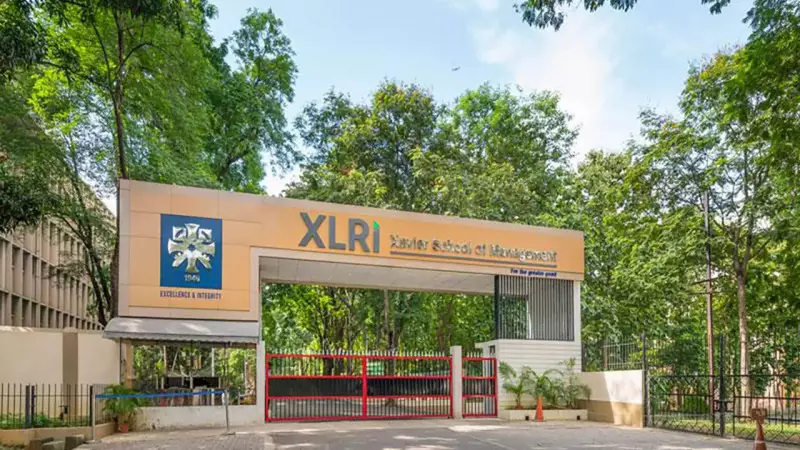
For experienced HR leaders with C-suite aspirations, this shift imposes new demands on capability development. Structured exposure to enterprise strategy, board dynamics, analytics, and governance becomes essential. Programs like XLRI's PGDM HRM for Emerging CHROs are designed precisely for this transition. They help senior professionals reframe their role from functional excellence to enterprise impact.
The research signals are strong. Expectations are rising. The real question for HR leaders today is not whether the CHRO role will change, but whether they are preparing themselves to lead that change.
Admissions for the fifth batch are now open. Who should apply?
The program targets:

- Senior HR professionals with 10+ years experience aiming for CHRO or enterprise leadership roles
- HR Business Partners, Heads of L&D, Talent, or OD seeking to scale their strategic influence
- Business professionals pivoting to HR or taking on dual-role leadership positions
- Change agents and transformation leaders responsible for culture, workforce, or people strategy
This article has been contributed by Mayank Verma.