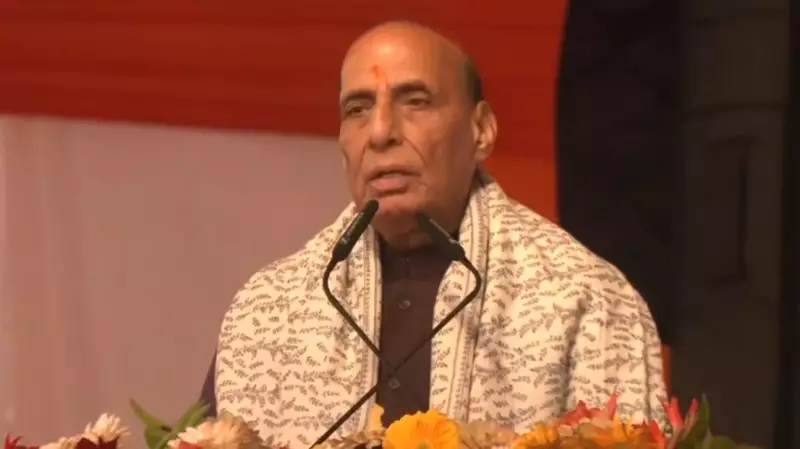
The Centre of Indian Trade Unions (CITU) has made an urgent appeal to Defence Minister Rajnath Singh, seeking his direct intervention to stop Hindustan Aeronautics Limited (HAL) from terminating the services of 1,050 workers. The union has labeled the mass termination as an "illegal" act and is pressing for immediate action to protect the livelihoods of the affected employees.
Union Calls for Defence Minister's Intervention
In a significant move, CITU has formally reached out to Rajnath Singh, who oversees the defence portfolio. The union's appeal emphasizes the need for the minister to step in and rescind the termination orders issued by HAL, a premier defence public sector undertaking. CITU argues that this action is crucial to uphold justice, the rule of law, and the dignity of labour within a vital national enterprise. The request underscores a growing tension between workforce management and operational decisions in government-run companies.
Details of the HAL Termination Dispute
The core of the dispute revolves around HAL's decision to terminate the employment of 1,050 workers. CITU has strongly contested this decision, framing it not just as a labour issue but as a matter of legal and ethical concern for a key defence manufacturer. The union's appeal highlights the potential repercussions on the workers' lives and questions the legality of the process followed by the company. This development was reported on 05 January 2026, bringing the issue into the public and political spotlight.

Broader Implications for Labour and Defence Sectors
This confrontation places a spotlight on labour practices within India's strategic defence sector. The outcome of CITU's appeal to Rajnath Singh could set a precedent for how similar disputes are handled in other public sector enterprises. It raises critical questions about job security, workers' rights, and the balance between corporate restructuring and social responsibility in government-owned companies. The defence minister's response, or lack thereof, will be closely watched by trade unions and industry observers alike, as it will signal the government's stance on protecting employment in vital national sectors.