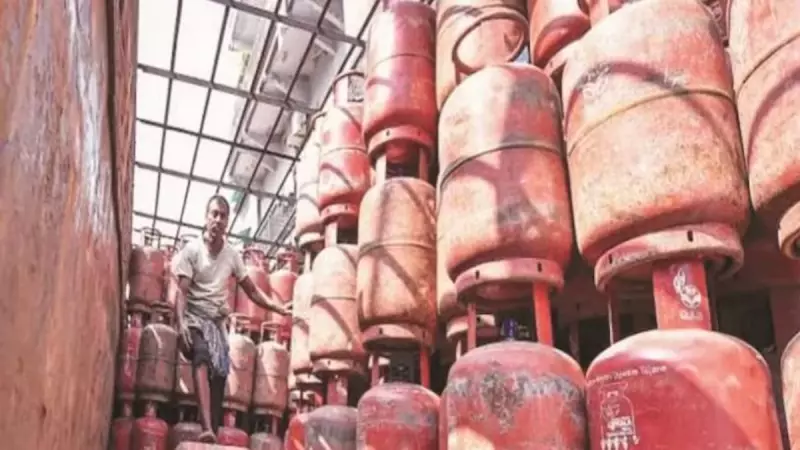
In a move impacting businesses across the country, oil marketing companies have announced a significant hike in the price of commercial LPG cylinders effective from the first day of 2026. Simultaneously, in a relief for many households, the cost of Piped Natural Gas (PNG) has been reduced in the Delhi-National Capital Region (NCR).
New Year Brings Costlier Commercial LPG
The price revision, which came into force on January 1, 2026, sees the cost of a 19-kg commercial LPG cylinder increase by Rs 111. This adjustment is implemented by leading suppliers including Indane, Bharatgas, and HP Gas. Following this hike, the new price of a commercial cylinder in the national capital, Delhi, now stands at Rs 1,904.
This change directly affects a wide array of enterprises, from small restaurants and dhabas to large catering services and bakeries, for whom LPG is an essential operational fuel. The increase adds to the input costs for these businesses, potentially impacting their pricing and profitability.

Piped Natural Gas Gets a Price Cut in Delhi-NCR
In a contrasting development for domestic consumers, the price of Piped Natural Gas (PNG) has been reduced in Delhi and its surrounding National Capital Region. The new, lower rate provides some financial respite to households that use PNG for cooking and other purposes.
The dual pricing move by the oil companies highlights the different market dynamics and government policies affecting commercial versus domestic fuel segments. While commercial LPG prices are more directly linked to international market fluctuations, domestic PNG prices often see interventions to shield common consumers.
Impact and Market Reactions
The Rs 111 hike in commercial LPG cylinder prices is substantial and is expected to ripple through the food service and hospitality industry. Business owners may have to recalibrate their budgets and could face pressure to marginally increase prices of their goods and services to offset the higher fuel cost.
On the other hand, the reduction in PNG prices will be welcomed by residents in the Delhi-NCR area. It makes the cleaner cooking fuel more affordable compared to alternatives and could encourage more households to consider switching to piped gas connections.
Industry analysts monitor these monthly revisions closely as they serve as indicators of energy cost trends. The simultaneous hike and cut underscore the complex balancing act in India's energy pricing mechanism, aiming to manage fiscal burdens while considering consumer impact across different sectors.