Survey Shows Strong Consumer Support for Government Action on Quick Commerce
Days after the central government urged quick commerce companies to stop advertising fixed 10-minute delivery promises, a new survey reveals that consumers largely support this move. The survey found that most people do not want everything delivered in ten minutes. They prioritize speed only for critical items like medicines.
Key Findings on Consumer Preferences
According to the survey conducted by LocalCircles, a significant portion of consumers are not in favor of the hyper-fast delivery model for all products. The survey gathered over 90,000 responses from quick commerce users across 180 urban districts in India.
When asked specifically, 38% of consumers stated they do not want any products delivered within a 10-minute timeframe. This indicates a substantial segment of the market questions the necessity of such extreme speed for everyday purchases.

Where Speed Truly Matters: Medicines and Essentials
The survey delved deeper into specific categories where a 10-minute timeline might be crucial. The results were telling.
Among 25,621 respondents who were asked for what products a 10-minute delivery is a must-have, 100% identified medicines. This unanimous response highlights the critical nature of timely medicine delivery in emergencies.
Following medicines, 55% of respondents said essentials deserved a quick delivery promise. Only 25% opted for discretionary or non-essential items. This clearly shows that consumers value speed primarily for urgent, necessary goods rather than for impulse or luxury purchases.
Overwhelming Backing for Government Decision
The survey also measured public opinion on the government's recent intervention. The response was overwhelmingly positive.
Out of 49,130 respondents to this question, a striking 74% said they support the government's decision to ask platforms to drop the 10-minute delivery timeline. Only 17% opposed the move, while 9% remained undecided.
LocalCircles noted in its report that while consumers enjoy the convenience of these services, many are concerned about road safety and driver safety. They believe deliveries should be pressure-free for the riders, suggesting that public sentiment aligns with worker welfare.
Government Action and Industry Response
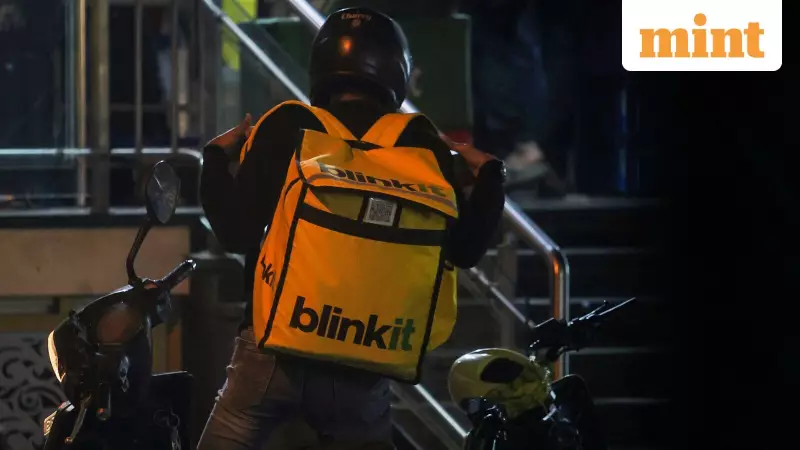
Last week, the Union Labour Ministry, led by Mansukh Mandaviya, held discussions with major quick commerce platforms. The ministry urged companies like Blinkit, Swiggy Instamart, and Zepto to remove 10-minute delivery promises from their marketing. The primary concern was the undue stress such promises place on delivery riders, potentially compromising their safety on the roads.
Following these discussions, the industry has begun to respond. Reports indicate that Blinkit was the first to quietly remove the 10-minute delivery assurance from its app branding. Other major players, including Zepto, Swiggy Instamart, and Flipkart Minutes, have also reportedly dropped their '10-minute' delivery branding.
The Gig and Platform Service Workers Union has welcomed the government's intervention. They appreciated the decision to discontinue the hyper-fast delivery system, emphasizing the importance of worker safety.
What This Means for the Future of Quick Commerce
The survey findings and subsequent industry changes point to a significant shift in the quick commerce landscape.
- Consumer priorities are clear: Speed is valued most for essential and emergency items like medicines, not for all products.
- Safety takes precedence: Both the government and a majority of consumers are prioritizing the well-being of delivery personnel over marketing gimmicks.
- The industry is adapting: Major platforms are already adjusting their branding and promises in response to regulatory and public pressure.
This episode highlights a maturing consumer mindset in India's digital economy. People are increasingly considering the human cost behind convenience, advocating for a more sustainable and safe model for service workers.