

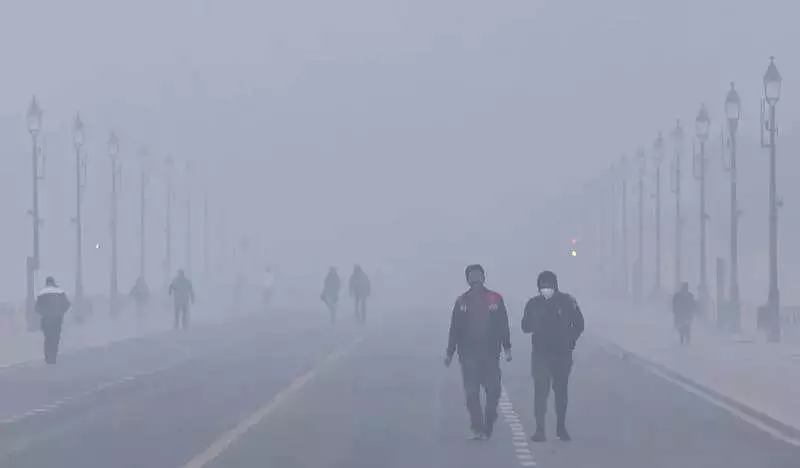
In a stark reflection of Delhi's escalating environmental crisis, a senior corporate executive has stepped down from his high-ranking position, attributing his decision directly to the city's hazardous air quality. The move has ignited a fresh conversation about the tangible human and professional cost of pollution in India's capital.
Executive Cites Health, Steps Down
Rajkumar Bafna, the President of Finance at pharmaceutical manufacturing firm Akums Drugs and Pharmaceuticals Limited, submitted his resignation effective December 31. The decision came to light through an internal company email. In a message sent to a senior official on December 3, Bafna explicitly stated, "I would like to inform you that due to Delhi pollution level, I am resigning from my position as president finance. Kindly relieve me asap."
The company formally acknowledged his resignation on December 12, confirming the reason as health concerns and his official relief date of December 31. Sanjeev Jain, Co-founder and Managing Director of Akums, provided context, revealing that Bafna had relocated from Mumbai approximately six months prior and had been suffering from a persistent cough and other symptoms worsened by the pollution.

"For people who aren't born in the city, it gets very difficult to cope with the pollution here," Jain stated. "He must be used to a different environment and bad air here must have affected him." Jain added that Bafna could not be reached for further comment on the matter.
A Growing Trend, Not an Isolated Case
This incident is far from unique. It underscores a disturbing pattern where professionals and their families are making drastic life changes to escape Delhi's toxic environment. Jain himself referenced a personal connection, saying, "I have a friend whose child has moved to Bengaluru due to this. There's a sense of fear about how things will be, about what it will be like. Mentally, I think it's one of the biggest challenges."
Reports from a few months ago detailed a similar story where a professional's spouse, unable to tolerate the suffocating smog and fearing for their child's health, left a prestigious government job to relocate. These cases represent a growing segment of families who are prioritizing health and cleaner air over established careers and comfortable lives in the National Capital Region.
Social Media Echoes Public Frustration
The news of Bafna's resignation resonated widely on social media platforms, particularly on X (formerly Twitter), where it sparked a debate on livability. Users expressed a mix of sympathy and grim realization. One user commented, "So the time has come when people are moving out of Delhi," while another posed a critical question: "Every year, more and more people reassess their lives in Delhi. Is it worth living in such a polluted environment?"
These reactions highlight a significant shift in public perception. Delhi's air quality is no longer viewed merely as a seasonal nuisance or a distant policy failure; it is now actively dictating major personal and professional decisions for its residents. The crisis is evolving from an environmental issue into a socio-economic one, influencing migration patterns and corporate talent retention.
The resignation of a senior finance president from a prominent pharmaceutical company serves as a powerful indicator. It signals that the city's pollution problem has breached a threshold where the health risks and associated anxiety are compelling even highly successful individuals to alter their career trajectories and seek safer havens.






