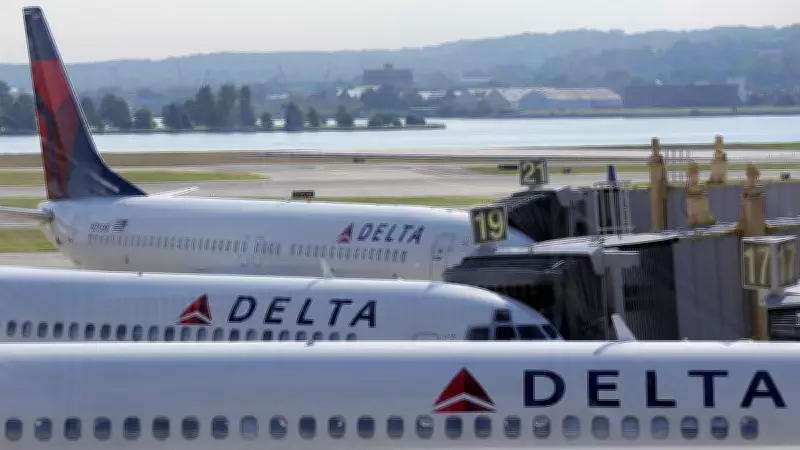
Delta Airlines Puts Growth Plans on Hold as Fuel Costs Skyrocket
Delta Airlines, one of the world's largest carriers, has announced a significant pause in its expansion initiatives following a dramatic surge in fuel prices. This strategic decision underscores the profound impact of escalating fuel costs on the global airline industry, forcing major players to reassess their operational and financial frameworks.
Fuel Price Spike Triggers Operational Reevaluation
The airline industry is grappling with an unprecedented spike in fuel expenses, which has compelled Delta to hit the brakes on its previously ambitious growth trajectory. This move reflects a broader trend where airlines are prioritizing cost management and efficiency over aggressive expansion, as fuel constitutes a substantial portion of their operational expenditures.
Delta's decision to halt growth plans is a direct response to the volatile fuel market, which has seen prices climb sharply in recent months. This development is reshaping airline economics, prompting carriers to adopt more conservative strategies to maintain profitability and sustainability in a challenging economic environment.

Implications for the Global Aviation Sector
The pause in Delta's expansion signals a potential shift in the competitive landscape of the aviation industry. Other airlines may follow suit, leading to a slowdown in fleet expansions, route additions, and hiring initiatives. This could result in reduced capacity and higher ticket prices for consumers, as airlines adjust to the new economic realities imposed by fuel costs.
The reshaping of airline economics due to fuel price increases highlights the sector's vulnerability to external market forces. Airlines are now focusing on optimizing existing operations, enhancing fuel efficiency, and exploring alternative energy sources to mitigate the impact of rising costs.
Strategic Adjustments and Future Outlook
Delta's move to curtail growth plans is part of a larger strategy to navigate the current fuel crisis. The airline is likely to implement measures such as:
- Reevaluating flight schedules and routes to improve efficiency
- Investing in more fuel-efficient aircraft and technologies
- Enhancing cost-control mechanisms across all operations
This approach aims to ensure long-term resilience and competitiveness in an industry where fuel prices remain a critical determinant of success. The ongoing situation serves as a reminder of the need for airlines to adapt swiftly to changing economic conditions to safeguard their financial health and operational stability.