

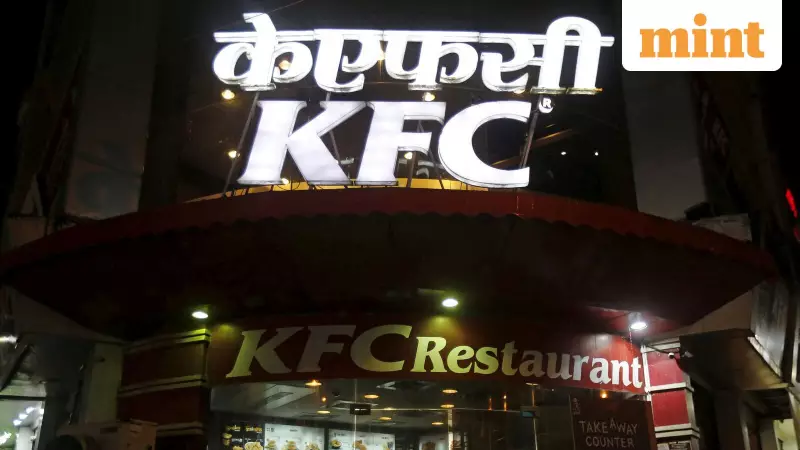
The proposed merger between Devyani International Ltd and Sapphire Foods Ltd, announced on 7 January 2026, is being hailed as a landmark consolidation in India's quick-service restaurant (QSR) sector. While the move creates a behemoth with over 3,000 outlets, it does little to mask a pressing concern: persistently weak consumer demand at existing stores.
The Scale Play: Efficiency Gains and Synergies
Strategically, the merger is a compelling fit. The combined entity will become the sole operator of KFC and Pizza Hut in India, alongside acquiring Sapphire's operations in Sri Lanka. This unification eliminates competition between the two franchisees for the same brands and paves the way for significant operational efficiencies.
Management has outlined a clear path to value creation, targeting annual synergies of ₹210-225 crore within two years. These benefits are expected to flow from a single national marketing strategy, consolidated supply chains, and unified technology platforms. The enhanced scale will also bolster bargaining power for real estate, procurement, and delivery platform commissions.

Post-merger, the pro-forma entity is projected to have FY25 revenue of around ₹7,800 crore with Ebitda margins of 16-17%, with ambitions to expand this to 18.5-19% in the medium term. KFC, with 1,263 outlets in India and plans to add 100-110 annually, is slated to be the primary growth engine.
The Core Challenge: Falling Same-Store Sales
Despite the strategic rationale, the merger does not directly address the fundamental issue of declining customer visits. Financial data for the first half of FY26 reveals a worrying trend across both companies.
Devyani reported a 2.4% decline in same-store sales for KFC and a 4.1% drop for Pizza Hut. The situation was more severe at Sapphire Foods, which saw steeper falls of 4.38% at KFC and 6.5% at Pizza Hut.
This parallel downturn suggests a broader sectoral demand slowdown rather than isolated company missteps. Analysts point to intense competition from the unorganized food sector, aggressive local pricing, and shifting consumer preferences as key headwinds impacting footfalls across the category.
Future Outlook: Growth Contingent on Demand Revival
The consolidation is expected to provide a cushion on costs and improve net profitability, which has been strained by high operating and financial leverage. Brokerage firm JM Financial Institutional Securities estimates the merged entity could deliver a 15% revenue CAGR over FY25-28.
However, the ultimate success of this mega-merger hinges on a revival in same-store sales growth. While the combined scale offers defensive strength and efficiency, the Pizza Hut brand remained loss-making for both companies in H1 FY26, indicating specific brand-level challenges alongside general market softness.
In conclusion, the Devyani-Sapphire merger is a powerful response to the need for scale and efficiency in India's competitive QSR landscape. Yet, the transaction underscores a critical lesson: operational synergy cannot substitute for robust consumer demand. The path forward for the new market leader will depend on its ability to navigate intense competition and re-ignite growth at its established store base.






