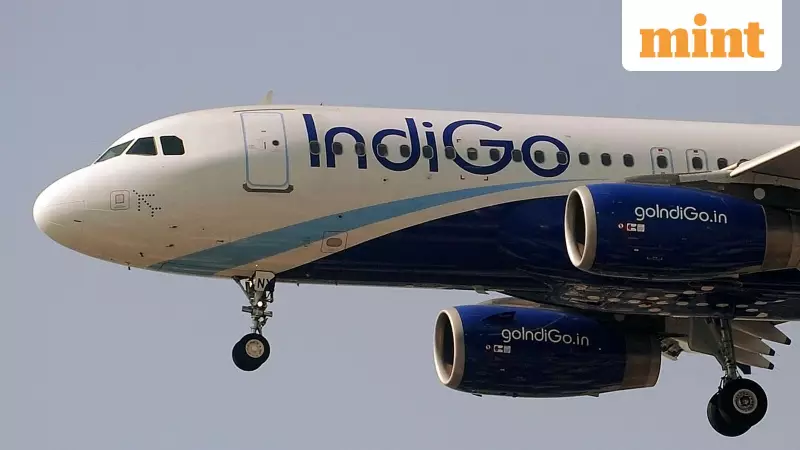
DGCA Imposes Heavy Penalty on IndiGo for December Flight Chaos
The Directorate General of Civil Aviation has taken strong action against IndiGo. India's civil aviation regulator concluded that the airline failed to prepare adequately for new pilot regulations. This failure resulted in massive operational disruptions last December.
Substantial Financial Penalties Announced
DGCA levied a fine of ₹22.2 crore on IndiGo, the country's largest airline. The regulator also ordered the airline to provide a bank guarantee of ₹50 crore. This guarantee ensures compliance with directives and supports long-term systemic corrections.
However, aviation experts question whether these measures provide sufficient deterrence. The penalties follow widespread flight cancellations that stranded thousands of passengers during the first week of December.

Experts Question Effectiveness of Penalties
Mark D Martin, an aviation expert and CEO of Martin Consulting, expressed disappointment with the outcome. "This is just approximately a $2.2 million fine," he noted. "While DGCA acted quickly, IndiGo has been let off the hook easily. Beyond the minimal financial penalty and some warnings, nothing significant has happened."
Amit Singh, CEO of Safety Matters and a former pilot, raised similar concerns. "Senior management who are responsible have been let off lightly," he stated. "Penalties are not at a level that would serve as effective deterrents. Financial penalties alone cannot prevent recurrence without hard operational buffers and independent oversight of rostering systems."
Another analyst highlighted the penalty's insignificance relative to IndiGo's financial strength. Gagan Dixit, an aviation analyst at Elara Capital, observed: "The penalty amount is insignificant compared to their balance sheet. Many regulatory uncertainties now appear resolved since the airline improved operations after early December."
DGCA Investigation Findings
After a two-week investigation, DGCA identified multiple deficiencies in IndiGo's systems. The airline failed to support new pilot rest and nighttime flying norms that took effect in November. This failure caused a complete operational meltdown.
The regulator cited several primary causes for the disruption:
- Over-optimization of operations
- Inadequate regulatory preparedness
- Deficiencies in system software support
- Shortcomings in management structure and operational control
A special DGCA committee found that IndiGo's management failed to plan operational buffers. They also failed to effectively implement revised Flight Duty Time Limitation provisions. These provisions govern pilot rest periods, nighttime landings, and duty rosters.
The regulator's statement explained: "Crew rosters were designed to maximize duty periods with increased reliance on dead-heading, tail swaps, extended duty patterns, and minimal recovery margins. This approach compromised roster integrity and adversely impacted operational resilience."
Warnings Issued to Senior Executives
Beyond financial penalties, DGCA issued formal cautions to several IndiGo executives. The CEO received a warning for inadequate overall oversight of flight operations and crisis management. The Accountable Manager and COO received warnings for failing to assess the impact of the winter schedule and revised pilot working norms.
The regulator directed that the Senior Vice President of Operations Control be relieved of current responsibilities. This executive cannot hold any accountable position due to failures in systemic planning and timely implementation of revised provisions.
Other executives facing censure include:
- Deputy Head of Flight Operations
- AVP of Crew Resource Planning
- Director of Flight Operations
DGCA further directed IndiGo to take appropriate action against any other personnel identified through internal inquiry. The airline must submit a compliance report to the regulator.

Airline Response and Ongoing Reviews
IndiGo issued a separate statement acknowledging the regulator's orders. "The Board and management of IndiGo are committed to taking full cognizance of the orders," the airline stated. "We will take appropriate measures in a thoughtful and timely manner."
The airline added that an in-depth review of internal processes has been underway since the December disruption. This review aims to ensure the airline emerges stronger from the crisis.
Systemic Issues Require Structural Solutions
Amit Singh of Safety Matters emphasized that DGCA correctly identified the failures as systemic rather than isolated. "The action taken by DGCA and the Ministry of Civil Aviation is strong and unprecedented," he noted. "However, the corrective framework remains reactive and compliance-centric. It is not yet fully predictive, preventive, and structurally irreversible."
He stressed that large-scale passenger disruption represents both a safety warning and a resilience issue, not merely a service problem.
Captain Shakti Lumba, a former IndiGo executive and aviation expert, expects further action. "More action is due in coming days," he predicted. "The government appears serious about improving governance in the civil aviation sector."
Previous Regulatory Actions
Following the December cancellations that affected 4,500 flights, DGCA had already taken several interim measures. The regulator ordered IndiGo to implement a 10% reduction in its proposed flight schedule. A four-member high-level committee was established to investigate the operational meltdown.
DGCA posted officials at the airline to oversee flight operations management. At least four flight inspectors were relieved of duty after the mass cancellations. In late December, the regulator also removed Ravinder Singh Jamwal from his additional role as head of the Flight Standards Directorate.
The aviation ministry continues to emphasize the importance of passenger safety and operational reliability. Both regulators and industry experts agree that structural improvements remain essential for preventing future disruptions.