

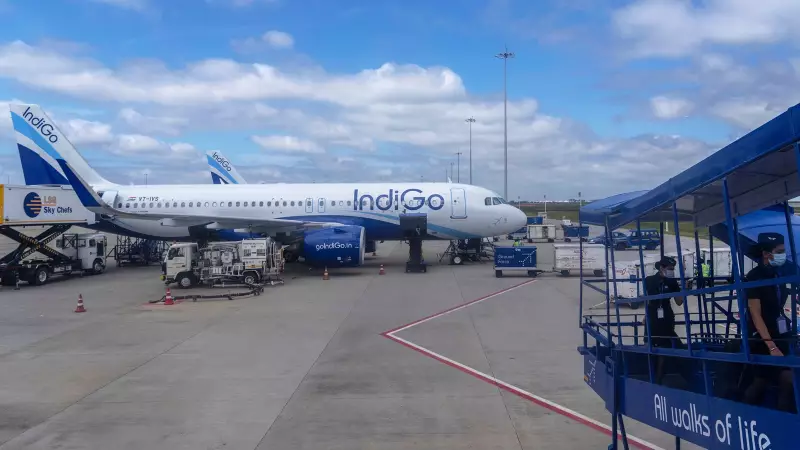
In a significant regulatory shift, the Directorate General of Civil Aviation (DGCA) has withdrawn a key instruction concerning mandatory weekly rest for airline crew members. This decision provides partial operational relief to carriers like IndiGo, which have been grappling with a severe staff shortage that has led to widespread flight disruptions and stranded passengers.
Immediate Withdrawal of Weekly Rest Clause
The aviation regulator issued a fresh notification, stating it was withdrawing the instruction that no leave shall be substituted for weekly rest. The directive has been pulled back with immediate effect. This clause was part of a broader order issued earlier by the DGCA to regulate the working hours and fatigue management of flight crew.
The original rule was designed to ensure crew members received uninterrupted weekly rest, a critical component for flight safety and personnel well-being. However, its rigid application exacerbated operational challenges for airlines already facing a resource crunch.

A Response to Operational Crisis and Airline Appeals
The DGCA's latest move comes directly in response to the ongoing operational disruptions across the aviation sector. The regulator cited representations received from various airlines about the need to maintain continuity and stability in flight operations.
IndiGo, India's largest carrier, has been hit particularly hard by a massive pilot and crew shortage. This scarcity has resulted in the cancellation and delay of hundreds of flights over recent weeks, leaving thousands of passengers stranded at airports across the country. The situation reached a point where distressed passengers, including one who broke down pleading not to be fired for delayed return, highlighted the human cost of the operational meltdown.
Balancing Safety with Operational Realities
While the withdrawal offers airlines more flexibility in managing their rosters, it raises questions about the long-term balance between operational demands and crew fatigue management. The DGCA's notification emphasizes that the step was taken considering the immediate need to stabilize the network.
The relief is seen as a temporary measure to help airlines like IndiGo navigate the current crisis. It allows them to better utilize their existing crew by offering leave in lieu of the fixed weekly rest, potentially freeing up more personnel for active flying duties. However, aviation experts stress that this should not come at the cost of compromising on safety margins or overworking the crew.
The coming weeks will be crucial to see if this regulatory adjustment helps IndiGo and other airlines normalize their schedules and provide relief to the traveling public. The industry awaits further clarity on whether this is a short-term exemption or a more permanent revision to the crew duty time rules.






