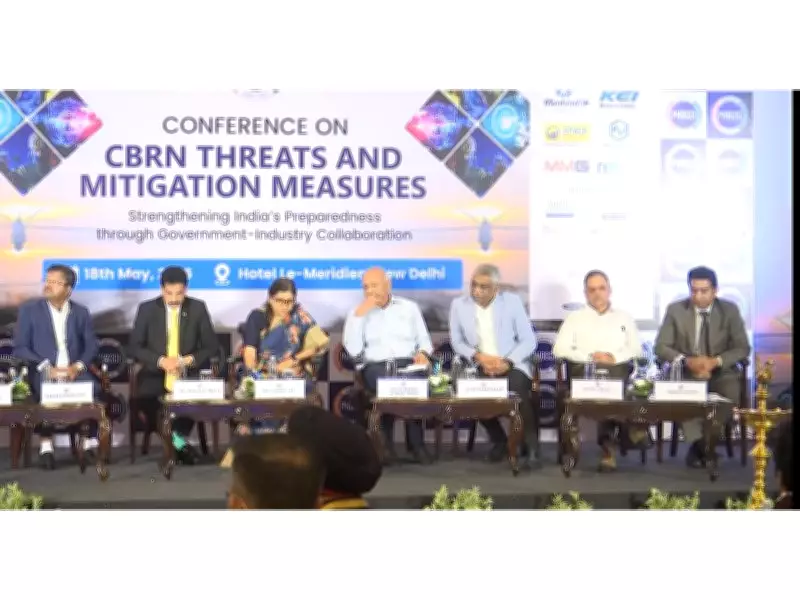
At a recent conference organized by the PHD Chamber of Commerce and Industry (PHDCCI), experts underscored the urgent need for faster response mechanisms and stronger coordination between industry and government to tackle chemical, biological, radiological, and nuclear (CBRN) threats. The event brought together policymakers, industry leaders, and security specialists to discuss the growing challenges posed by CBRN hazards in India.
Key Highlights from the Conference
Experts highlighted that CBRN threats are becoming more complex due to rapid industrialization, urbanization, and the potential for accidental releases or deliberate attacks. They stressed that a fragmented approach between various stakeholders could lead to delays in response, exacerbating the impact on public health and the environment.
Need for Integrated Framework
Dr. R. K. Sharma, a former director of the National Disaster Management Authority (NDMA), emphasized the importance of an integrated framework that enables seamless information sharing and resource mobilization. He noted that India's current capabilities are robust but require better synchronization to ensure a swift and effective response.

Industry representatives pointed out that the private sector has access to advanced technologies and expertise that can complement government efforts. For instance, chemical companies can provide real-time data on hazardous materials, while tech firms can offer AI-driven monitoring systems for early threat detection.
Recommendations from Experts
The conference concluded with several recommendations:
- Establish a Joint Task Force: A dedicated body involving government agencies, industry, and academia to coordinate CBRN preparedness and response.
- Invest in Training and Simulation: Regular drills and simulation exercises to test the effectiveness of response plans and identify gaps.
- Enhance Public-Private Partnerships: Leverage industry capabilities for rapid deployment of resources, such as decontamination units and mobile laboratories.
- Improve Communication Systems: Develop secure and interoperable communication channels for real-time data exchange during emergencies.
Experts also called for updating existing regulations to address emerging threats and ensuring that all stakeholders adhere to international best practices. The conference served as a platform for dialogue, fostering a collaborative approach to enhance India's resilience against CBRN incidents.