

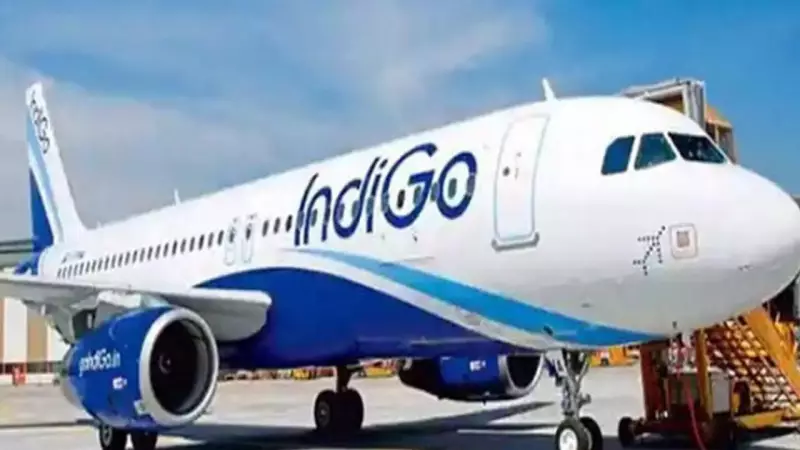
The Federation of Indian Pilots (FIP) has launched a sharp critique against IndiGo, accusing the airline of poor planning and anti-competitive practices that have led to widespread flight disruptions. In a letter to the Directorate General of Civil Aviation (DGCA) on Wednesday, the pilots' body alleged that despite a two-year preparation window for new crew duty norms, IndiGo imposed a "hiring freeze" and engaged in "cartel-like behaviour."
Allegations of Short-Sighted Planning and Anti-Competitive Practices
The FIP's letter, cited by PTI, detailed a series of management decisions it claims are responsible for the current operational meltdown. The union stated that IndiGo inexplicably adopted a hiring freeze, entered into non-poaching agreements with other carriers, and maintained a pilot pay freeze. It labelled these as "short-sighted planning practices." The body emphasised that the recent surge in cancellations is not related to the new Flight Duty Time Limitation (FDTL) norms mandated by the Delhi High Court, which other airlines have managed to implement smoothly.
"All other airlines have provisioned pilots adequately and remain largely unaffected due to timely planning and preparation," the FIP asserted. It pinpointed the root cause as "IndiGo's prolonged and unorthodox lean manpower strategy across departments, particularly in-flight operations."

Impact on Operations and Pilot Morale
The consequences of this strategy became starkly visible on Wednesday, when IndiGo cancelled over 150 flights and faced extensive delays nationwide. The airline cited multiple factors, including crew shortages linked to the FDTL rollout. However, data from the civil aviation ministry revealed a dismal on-time performance (OTP) of just 19.7% for IndiGo across six major airports.
The FIP letter also highlighted a severe dip in employee morale. It claimed that after phase one of the FDTL norms began on July 1, IndiGo reduced pilot leave quotas. Following phase two on November 1, the airline attempted to buy back pilot leave, measures that saw a poor response. This discontent was exacerbated, the FIP noted, in a year when airline executives received record increments "approaching or exceeding 100 per cent," while blaming pilot migration instead of investing in retention.
Calls for Regulatory Action and Slot Reallocation
In a significant escalation, the pilots' federation has urged the DGCA to take punitive action. It asked the regulator to consider reallocating IndiGo's flight slots to other carriers capable of operating them without disruption, especially during the peak holiday and fog season. This move would be a direct response if IndiGo continues to fail passengers due to "its own avoidable staffing shortages."
Furthermore, the FIP urged the DGCA not to approve any airline's seasonal schedules unless they demonstrate adequate staff to operate flights "safely and reliably" under the new norms. It criticised IndiGo for expanding its winter schedule as the busy fog season began without recruiting or training additional pilots, raising serious questions about operational responsibility.
The letter clarified the scheduling process, noting that the DGCA approves two schedules annually: the winter schedule (late October to late March) and the summer schedule (late March to late October). The new FDTL norms, which increase weekly rest to 48 hours and reduce permissible night landings from six to two, were initially opposed by airlines including IndiGo and Air India. They successfully pushed for a phased rollout from the original March 2024 deadline, citing the need for more crew.






