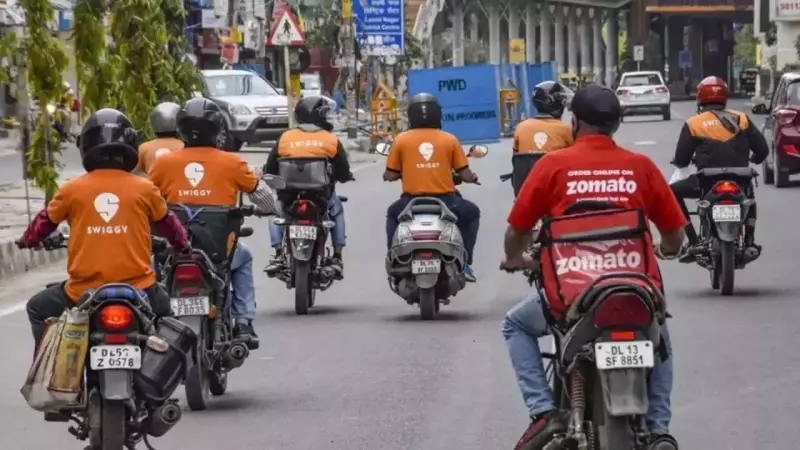
India's major food delivery platforms, Zomato, Swiggy, and Magicpin, reported an unprecedented surge in orders on New Year's Eve, setting new records. This remarkable volume was achieved despite a nationwide strike call by a section of gig workers demanding improved pay and working conditions.
Platforms Defy Strike, Set New Delivery Records
Deepinder Goyal, founder of Zomato, took to social media platform X to announce that both Zomato and its quick-commerce arm Blinkit delivered at a record pace on December 31. He stated that operations remained largely unaffected by the strike calls that had been circulating in the preceding days.
Goyal credited the smooth functioning to effective coordination with authorities and delivery partners. He revealed that support from local law enforcement helped manage a small number of protestors. This enabled over 4.5 lakh delivery partners across Zomato and Blinkit to successfully deliver more than 75 lakh orders—an all-time high—to over 63 lakh customers throughout the day.

Echoing this sentiment, Anshoo Sharma, founder and CEO of Magicpin, confirmed that his platform also saw "no impact" from the strike. He highlighted that the evening once again demonstrated how central food delivery services have become to Indian celebrations, with lakhs of orders pouring in every hour across metropolitan cities.
Butter Chicken, Biryani, and Pizzas Rule the Festive Feast
The data from these platforms painted a vivid picture of India's diverse culinary preferences during the celebrations. According to reports, pizza emerged as an early favourite on Magicpin. Traditional desserts like gajar ka halwa and ice cream witnessed a staggering three-fold jump in orders compared to the previous year.
Dinner orders peaked around 9:30 PM. In the Delhi-NCR region, butter chicken was the top-ordered dish, followed closely by biryani and dal makhni. Swiggy's data corroborated this trend, showing Indians feasting on biryani, pizzas, butter chicken, and traditional sweets. On Swiggy alone, biryani crossed 2.19 lakh orders even before 7:30 PM.
The platform also noted the continuing rivalry between pizzas and burgers. By 8:30 PM, over 2.18 lakh pizzas had been dispatched, while burgers put up a strong fight with over 2.16 lakh orders, showcasing the diversity of the Indian palate.
Strike Call and the Broader Gig Economy Debate
The Gig & Platform Services Workers Union (GIPSWU), which called for the December 31 strike, claimed participation from over one lakh workers across 22 cities. This included approximately 14,000 members from major metros. The union reiterated its demands, which include:
- Minimum per-kilometre pay for delivery.
- Enhanced workplace safety, especially for women workers.
- Provision for maternity and emergency leave.
- Legal recognition of platform workers under existing labour laws.
In his post, Goyal thanked the delivery partners who worked through the day despite intimidation, choosing "honest work and progress." He cautioned against narratives pushed by vested interests, arguing that a system would not continue to attract and retain a large workforce if it were fundamentally unfair.
He described the gig economy as one of India's largest organized job creation engines, predicting that its real impact would compound over time as the children of delivery partners, supported by stable incomes and education, enter the workforce.
Estimates suggest India currently has over 12.7 million gig workers. This number is projected by government think tank NITI Aayog to grow to 23.5 million by 2029–30, underscoring the sector's significant role in the nation's employment landscape. The record-breaking New Year's Eve, despite the strike call, highlights both the massive consumer dependence on these services and the ongoing dialogue about the future of gig work in India.