Imagine walking into a store to buy a simple can of baking soda and leaving with a lifelong addiction. In the early 1890s, William Wrigley Jr. arrived in Chicago with only $5 and a suitcase full of soap, penniless but determined. He was a natural salesman who understood a fundamental truth about people: they love getting something for nothing.
The Accidental Discovery
To boost soap sales, Wrigley began offering free samples of baking soda. To his surprise, the baking soda outsold the soap. Adapting quickly, he shifted focus to baking powder and included two packets of chewing gum with each can as a promotional gift. This was a common marketing tactic at the time, a simple gesture to thank housewives. But something unexpected happened: customers started asking to buy just the gum, leaving the baking powder behind. Wrigley realized he had stumbled upon a product far more valuable than his original offering.
A Turning Point in Marketing
Wrigley's success was not mere luck; it stemmed from keen observation. According to research titled Brand Name America from Boston University, this case study marked a turning point in modern consumer marketing. In 1892, Wrigley pivoted entirely to gum, launching iconic flavors like Juicy Fruit and Spearmint. While other business leaders might have hesitated to abandon their core product, Wrigley relied on data. As noted in a New York Times article called Wrigley: A 7 Cent Bonanza, he aggressively promoted his product through sampling. At one point, he sent a free stick of gum to every American listed in telephone directories nationwide.

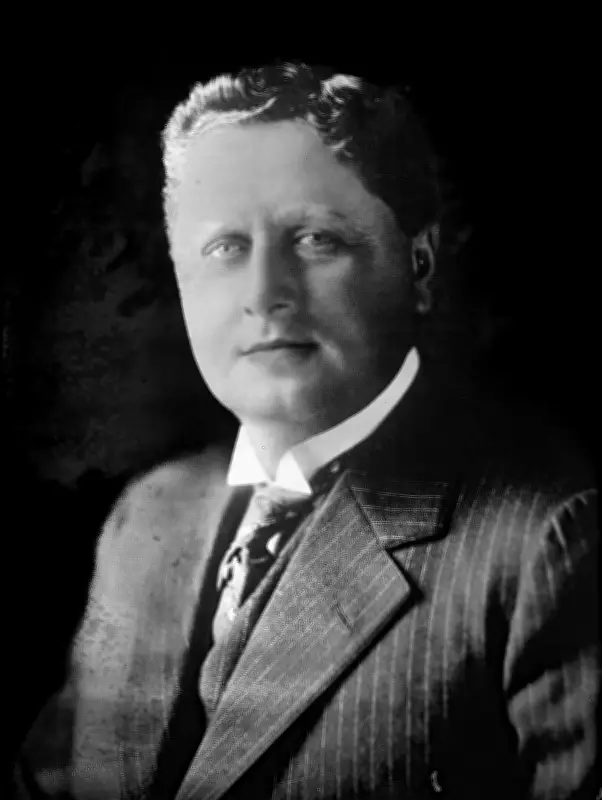
This bold gamble paid off, transforming a small snack into a daily essential. His aggressive marketing strategy became a cornerstone of consumer marketing. The image of Wrigley's success is preserved by the Missouri Historical Society via Wikimedia Commons.
Building a Legacy on Customer Behavior
By listening to his customers, Wrigley was among the first to detect shifts in American consumer demands. At the end of the 19th century, the U.S. economy was transitioning from regional, unbranded products to a national market where brands guaranteed quality and consistency. Through careful analysis of his promotions, Wrigley stayed ahead of competitors.
This transition from a supplementary product to a primary one reshaped American retail. It demonstrated that inexpensive, frequently consumed items could generate more profit than costly goods. Wrigley's chewing gum came to symbolize a new, fast-paced American generation full of energy. The iconic Wrigley Building in Chicago stands as a testament to how he transformed his career after giving away free gum.
Lessons for Modern Entrepreneurs
The Wrigley dynasty offers a powerful lesson for today's entrepreneurs. Sometimes, your greatest asset may not be what you are currently working on but the little something extra you offer for free. With adaptability and a focus on customer behavior, you might discover your own secret gum pack hidden in a canister of baking soda.
Reflecting on this history, it is remarkable how an idea born at a sales counter evolved into one of the world's most recognized brands. This story proves that success can come from simply noticing value in an unexpected situation.