Nationwide Shutdown by India's Gig Workers Highlights Deepening Crisis
App-based transport and delivery workers across India observed a significant All-India Breakdown on February 7, as unions representing gig drivers and delivery personnel called for a comprehensive nationwide shutdown. This collective action was organized to protest against falling incomes, escalating operational costs, and what labor organizations describe as increasing exploitation by major platform companies.
Unions Lead Protest Against Unilateral Fare Fixing
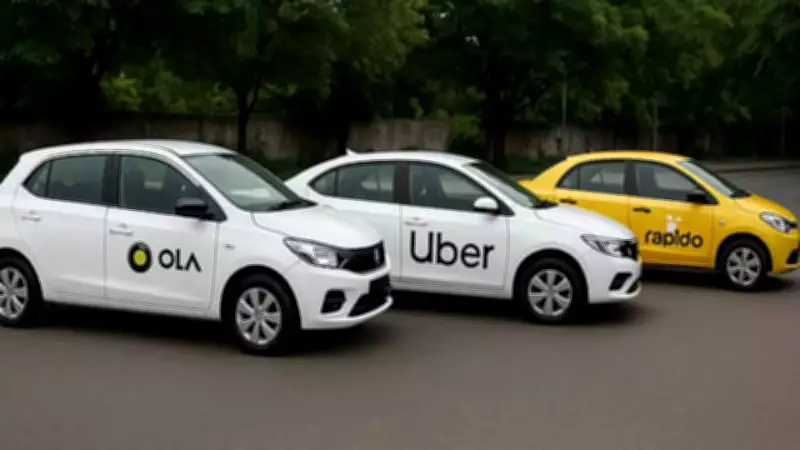
The protest was spearheaded by the Telangana Gig and Platform Workers Union and the Indian Federation of App-Based Transport Workers. It involved thousands of drivers and delivery workers associated with prominent platforms including Ola, Uber, Rapido, Porter, and various other app-based transport services. According to union statements, the primary objective of the agitation was to pressure both the central and state governments to implement minimum base fares as mandated under the Motor Vehicle Aggregator Guidelines, 2025.
Shaik Salauddin, founder president of TGPWU and co-founder and national general secretary of IFAT, emphasized that government inaction has severely deteriorated working conditions for gig workers. “The Aggregator Guidelines, 2025, clearly mandate consultation with recognised worker unions before fare fixation. However, governments have failed to act, enabling platforms to deepen exploitation,” Salauddin stated. Unions argue that the failure to notify base fares has allowed aggregator companies to continue unilaterally fixing prices, forcing workers to endure longer hours for diminishing earnings while bearing operational risks without adequate protection.

Coinciding Strikes and Financial Burdens on Drivers
The shutdown coincided with a separate day-long nationwide strike by app-based taxi and autorickshaw drivers, called by the Maharashtra Kamgar Sabha. This strike aimed to address grievances including action against illegal bike taxi services and issues related to mandatory panic button installations. In an official statement, the union highlighted that drivers are facing substantial financial burdens due to repeated changes in panic button approvals.
“While there are 140 panic button device providers approved by the Central government, the state government has declared nearly 70 per cent of these companies unauthorised. As a result, cab drivers are being forced to remove previously installed devices and spend approximately Rs 12,000 unnecessarily to install new devices, causing severe financial hardship,” the statement explained.
Speaking to PTI, Maharashtra Kamgar Sabha head Dr Keshav Kshirsagar confirmed that the strike began across Maharashtra and other regions in the morning, receiving support from most autorickshaw and taxi drivers. However, despite the call to keep vehicles off the roads, taxis and autorickshaws remained available on platforms like Uber, Ola, and Rapido in several areas.
Broader Concerns and Historical Context of Protests
Unions have also raised alarms over income loss due to an increase in autorickshaws under the open permit policy. Additionally, they allege that victims of accidents involving illegal bike taxis are being denied insurance benefits, further exacerbating the precarious situation for workers.
The February 7 protest follows earlier nationwide strikes by gig workers, including a shutdown by platform-based delivery workers on December 31. During that action, unions warned of service disruptions during peak hours, citing low wages, extended working hours, and a lack of social security provisions. Reflecting on the broader ecosystem, an AAP MP noted in an interview with ANI, “In today's time, Swiggy Zomato delivery boys, Blinkit Zepto riders, Ola Uber drivers, are a workforce on the back of which these big companies have become unicorns; they have got billion-dollar valuations. In this entire ecosystem that has been created, if there's one group of people who are oppressed and under immense pressure, it's the gig workers.”

Political Engagement and Legislative Demands
Amid the nationwide agitation, a delegation of transport and delivery gig workers met with Leader of Opposition in the Lok Sabha Rahul Gandhi in New Delhi on Friday. The meeting focused on pressing for central legislation and improved implementation of regulations at the state level. Shaik Salauddin reported that the delegation raised long-standing concerns during the discussion.
“This delegation included drivers and delivery workers from the Indian Federation of App-Based Transport Workers. In Congress-ruled states, and even where we serve as the opposition, the election promises made to these workers have been acted upon. At the central level, the government is providing social-security schemes, but that is not a substitute for statutory law,” he elaborated.
Salauddin also commended the Karnataka government for enacting pioneering legislation for gig workers. “There was a detailed discussion. For about half an hour, the delegation described their problems one by one. We called on Congress governments in states where implementation has stalled to act promptly. We again congratulated Karnataka for being the first state to introduce a comprehensive law,” he added.
Future Outlook and Union Resolve
Union leaders have made it clear that protests will persist unless governments take decisive steps to enforce fare regulations and provide statutory protections for gig workers in the app-based transport and delivery sector. The ongoing mobilization underscores a growing demand for systemic reforms to address the economic vulnerabilities and exploitation faced by this essential workforce.