Gig Workers' Plight: Do We Owe Them More Than Just Convenience?
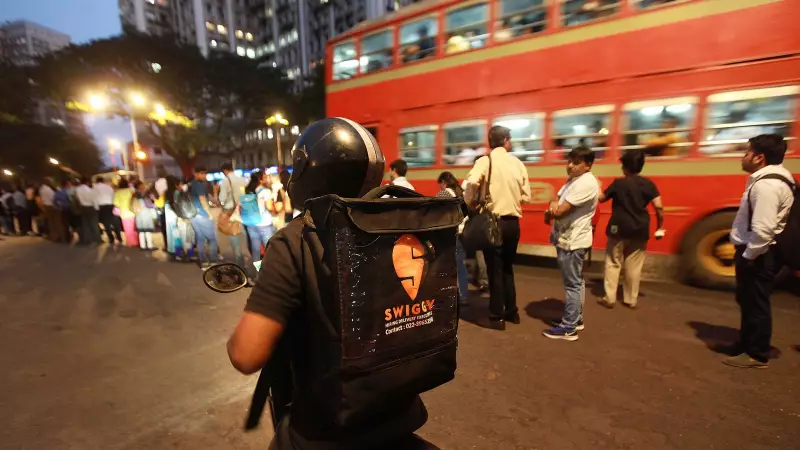
We all know gig workers face exploitation. As consumers, we see delivery personnel rushing through traffic every day. They carry our food, groceries, and packages on their backs. This reality raises urgent questions about our moral responsibilities toward them.
Do gig workers deserve special moral concern? Or are they just another group among India's vast army of overworked and underpaid laborers? Think about maids, cooks, cab drivers, garbage collectors, chowkidars, and itinerant workers. They all struggle with similar issues of low pay and poor conditions.
The Inverted Pyramid of Convenience
Modern delivery platforms build massive structures of convenience and profit. These structures rest squarely on the shoulders of delivery workers. Technological advances have transformed services. Now everything moves directly to our doorsteps whenever we want it.

In this compressed space-time reality, companies chase astronomical profits for investors. Margins remain thin. Success often depends on burning financial fuel. Yet the workers at the bottom seem permanently stuck there. Their situation appears unchanged despite all the technological progress.
Are gig workers more exposed to risks? Do they receive less protection? Are their wages particularly low? These questions demand honest answers. Some argue stopping these services would leave workers worse off. That argument misses the point completely. It avoids the real issue: Can we improve their situation, and how?
The Ethical Dilemma We Face
Consider the famous trolley problem from ethics. An observer must choose whether to divert a train to save some people while sacrificing others. Philosophers have debated this dilemma extensively. They explore what moral agents should do when faced with difficult choices.
We rarely encounter such dramatic scenarios in daily life. But ethical dilemmas still surround us. They force us to make choices as moral beings. The gig economy presents exactly this kind of challenge. We must examine where choices exist and who can make them.
Three Levels of Choice in the Gig Economy
First, the workers themselves. Most gig workers are men for various practical reasons. One might say they chose this work voluntarily. They accepted the employment terms as presented. But is that truly the end of the matter?
How voluntary are these choices really? Do gig workers have better alternatives available? If better options existed, wouldn't they choose them immediately? In India, people often face a harsh reality: They are too poor to remain unemployed. Economic serfdom isn't a choice. It's an unwelcome condition forced upon them.
The burden of choice doesn't rest primarily with workers. Economic necessity binds them tightly. They might protest privately. Yet they lack effective public forums to change their conditions meaningfully.
Second, consumers like us. We benefit directly from gig workers' services. What choices do we have? How can our decisions impact the unbalanced relationships between promoters, consumers, and deliverers?
Consumers cannot change employment contracts directly. But we hold significant power nonetheless. We have several real choices available to us.
- Offer cash tips, especially on large food orders. Some platforms include small tip options during payment. This helps mitigate low pay temporarily. However, it doesn't change the underlying business model or remove time pressures.
- Choose platforms without quick delivery promises. Order sudden necessities during normal hours instead. Slower traffic during off-peak times affects competition. It reduces the frantic race to be first.
Consumers serve as the lynchpin in this three-way relationship. Without our demand, the employer-employee symbiosis cannot survive. Choosing not to choose becomes a powerful weapon. Its effects ripple all the way back to company headquarters.
Third, the businesses running platforms. Companies have duties beyond mere compassion. They must consider profit and loss economics seriously.

- Some platforms now let consumers choose delivery times. This represents a minimum step forward. It allows occasional breathing room for workers.
- Companies could highlight these alternatives proactively. They could charge extra for fast-track services appropriately.
- Minimum daily wages might help gig workers significantly. However, markets often circumvent rules. Sometimes rulers themselves change game rules to favor businesses.
The gig economy presents complex ethical challenges. Workers struggle under economic pressures. Consumers enjoy unprecedented convenience. Companies pursue profits relentlessly. Our collective choices will determine whether this system becomes more humane or remains exploitative. The time for conscious decision-making has arrived.