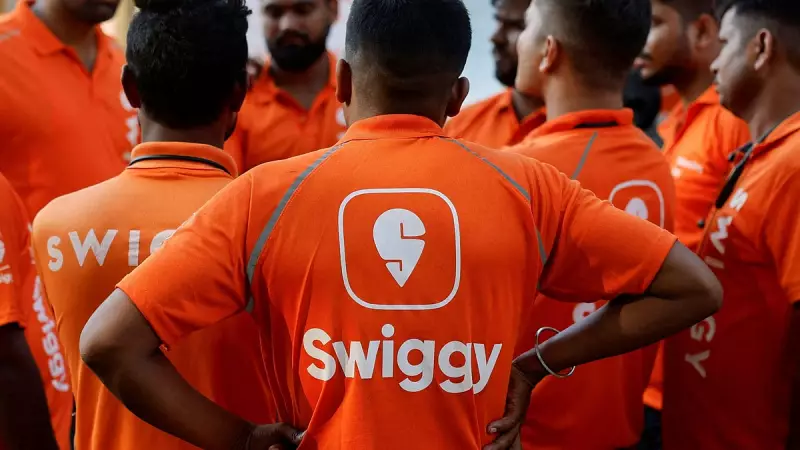
In a significant move highlighting occupational hazards, gig economy workers in India's capital have put forth a set of demands to major e-commerce and delivery platforms. Their primary request is for a special 'pollution surcharge' to be paid during days when air quality deteriorates to dangerous levels.
The Core Demands: Health Protection and Fair Pay
The demands, reported on 21 December 2025, center on the severe health risks faced by delivery personnel who must work outdoors for extended periods. The workers are asking companies to provide them with high-quality protective masks to shield themselves from the toxic air. More critically, they are calling for the institution of a 'pollution surcharge'. This would be an additional financial compensation, calculated either per trip or per order, specifically for days when the Air Quality Index (AQI) is classified as 'poor', 'very poor', or 'severe'.
Why This Demand is Critical for Delhi's Workforce
Delhi and the broader National Capital Region (NCR) face an annual public health crisis during the winter months, with AQI levels frequently crossing into the 'hazardous' category. While many can stay indoors, gig workers for food delivery, e-commerce logistics, and ride-hailing services have no such option. Their livelihood depends on being on the roads, breathing polluted air that poses serious long-term risks to respiratory and cardiovascular health. The proposed surcharge is framed not just as extra pay, but as essential hazard pay, acknowledging the direct physical cost these workers bear while keeping services running for urban consumers.

Broader Implications for the Platform Economy
This demand brings into sharp focus the ongoing debate about the rights and protections for workers in the platform-based gig economy. Typically classified as 'partners' rather than employees, these workers often lack access to traditional benefits like health insurance, paid sick leave, or occupational hazard allowances. The call for a pollution surcharge challenges this model, pushing companies to formally recognize and financially account for extreme environmental working conditions. The outcome of this demand could set a precedent for how e-commerce companies across India address worker welfare in the face of climate-related urban challenges.
As of the report by Shemin Joy, the response from the companies involved is awaited. The workers' collective action underscores a growing awareness and assertiveness among India's vast gig workforce, who are essential yet vulnerable cogs in the digital commerce machine.