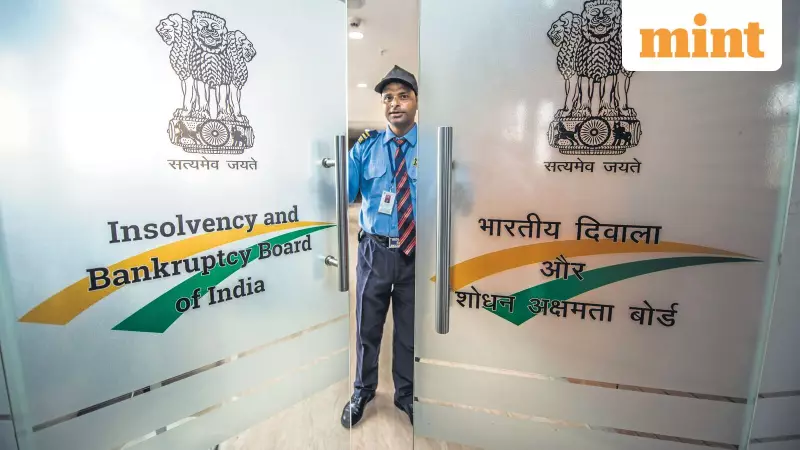
The Union government has given its nod to the vast majority of recommendations proposed by a Parliamentary select committee for reforming India's insolvency law, setting the stage for the passage of the Insolvency and Bankruptcy Code (Amendments) Bill, 2025 in the upcoming budget session. This move aims to accelerate corporate rescue processes, reduce legal disputes, and enhance recovery for creditors.
Key Recommendation on Retrospective Application Flagged
According to sources familiar with the development, the Centre has accepted all but one crucial suggestion from the Lok Sabha select committee, chaired by MP Baijayant Panda. The point of contention revolves around the proposed "clean slate" protection for new investors under amendments to Section 31 of the IBC.
The committee had recommended that this protection, which shields new owners from past liabilities of a rescued company, should apply retrospectively from the IBC's inception in 2016. However, the government has expressed reservations. A source indicated that applying the amendment retrospectively could lead to "unfathomable consequences", especially given numerous ongoing court cases. Consequently, the Ministry of Corporate Affairs plans to move an amendment during the budget session to remove the explicit mention of retrospective application from the Bill.

What the IBC (Amendments) Bill, 2025 Proposes
The Bill, introduced by Finance Minister Nirmala Sitharaman in the monsoon session, encompasses a broad set of reforms. A significant provision in Clause 19 seeks to fortify the "clean slate" principle. It ensures that once a resolution plan is approved, existing recovery proceedings against the company cease, and no fresh claims for past dues can be initiated against the new owner.
Legal expert Anoop Rawat of Shardul Amarchand Mangaldas & Co. noted that this clarification aligns with various Supreme Court rulings. The amendments also extinguish claims that former promoters or guarantors might raise against the revived entity and prevent guarantors who repay creditors from seeking indemnity from the new company, thereby preserving the sanctity of the fresh start.
Other Major Reforms Backed by the Government
The Centre has endorsed several other critical recommendations from the panel. These include:
- Barring a resolution professional from acting as the liquidator for the same company if the rescue fails.
- Empowering the Insolvency and Bankruptcy Board of India (IBBI) to recommend the appointment of a liquidator.
- Setting a strict three-month timeline for the National Company Law Appellate Tribunal (NCLAT) to decide on bankruptcy appeals.
- Lowering the voting threshold for approving pre-packaged insolvency resolutions from 66% to 51%.
- Decriminalising specific offences like non-compliance with the moratorium or resolution plan.
The Bill also introduces frameworks for group insolvency and cross-border insolvency, and establishes a creditor-initiated insolvency resolution process (CIIRP) for out-of-court settlements of genuine business failures.
With the budget session of Parliament commencing on 28 January 2026, the government's stance paves the way for the Bill's passage, marking a significant step in the evolution of India's insolvency ecosystem to foster faster, more efficient resolutions and boost investor confidence.