

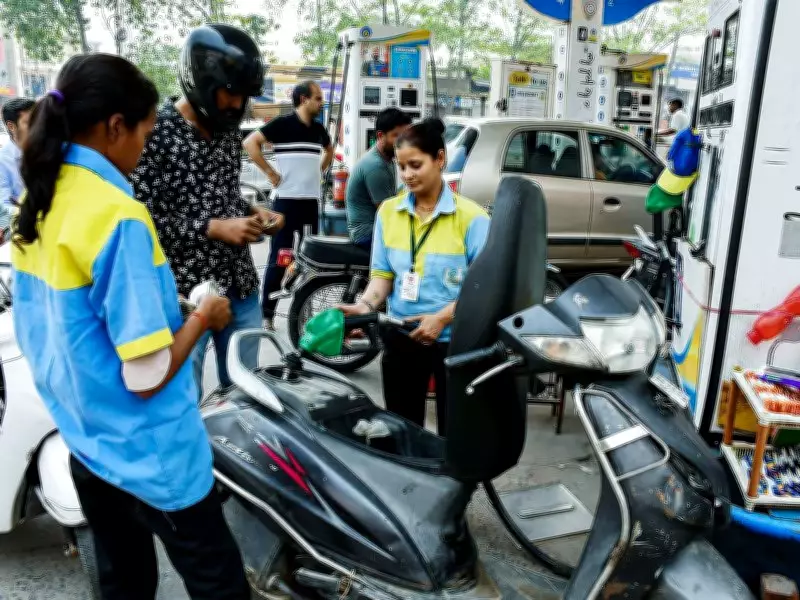
Government Announces Major Excise Duty Cuts on Petrol and Diesel to Stabilize Fuel Prices
In a significant move aimed at maintaining stability in fuel prices amid global energy uncertainties, the Finance Ministry has announced substantial reductions in excise duties on petroleum products. This decision comes against the backdrop of the ongoing West Asia crisis and rising crude oil prices, which have posed challenges to the domestic fuel market.
Details of the Excise Duty Reductions
The government has cut the special excise duty on petrol from Rs 13 per litre to Rs 3 per litre, marking a substantial decrease. Similarly, the duty on diesel has been reduced from Rs 10 per litre to zero, effectively eliminating this levy. These adjustments are designed to provide immediate relief to consumers and help keep retail prices of petrol and diesel stable across the country.
According to an official order issued by the ministry, these changes are being implemented in the public interest. The notification states, "the Central Government, being satisfied that it is necessary in the public interest so to do...", highlighting the urgency and importance of this measure in the current economic climate.

Revised Taxation on Aviation Turbine Fuel (ATF)
In addition to the cuts on petrol and diesel, the government has also revised the taxation structure for Aviation Turbine Fuel (ATF). A new special additional excise duty of Rs 50 per litre has been introduced on ATF. However, exemptions have been put in place that will limit the effective duty to Rs 29.5 per litre in certain cases.
This revision is expected to ease the financial burden on the aviation sector, which has been grappling with high operational costs. The notification specifies "Aviation Turbine Fuel Rs 50 per Litre" as the new duty, alongside provisions that cap the rate at "Rs. 29.5 per litre" under specific conditions, ensuring a balanced approach to revenue generation and industry support.
Scope and Implementation of the New Rules
The new excise duty rules will not apply to exports, with a key exception for supplies by public sector oil companies to neighboring countries. Exports to nations such as Nepal, Bhutan, Bangladesh, and Sri Lanka will continue under the revised system, maintaining regional trade relationships.
Amendments to the Central Excise Rules, 2017, further clarify that rebate and export procedures will not be applicable to petrol, diesel, and ATF, except for exports to these neighboring countries by public sector firms. This ensures a streamlined approach to fuel distribution and taxation.
Government's Rationale and Immediate Effect
The government has emphasized that these changes are driven by the need to balance consumer relief, revenue requirements, and industry demands in the face of global energy uncertainty. By adjusting excise duties, the aim is to mitigate the impact of supply disruptions caused by the West Asia crisis and fluctuating crude oil prices.
All revised duty rates have come into effect immediately, following official notifications issued on March 26 under the Central Excise Act, 1944, and relevant Finance Acts. This swift implementation underscores the government's commitment to proactive economic management and stability in the fuel sector.






