Government Prioritizes Shipbuilding, Highways, and Metro Projects in FY27 Capital Expenditure Plan
The Indian government has outlined a comprehensive expenditure blueprint for the fiscal year 2026-27, with a significant emphasis on bolstering the nation's physical infrastructure through targeted capital investments. According to official sources, the total budgetary outlay for FY27 is projected to exceed Rs 53.47 lakh crore, marking a strategic allocation aimed at stimulating economic growth and enhancing public amenities.
Breakdown of Expenditure and Capex Focus
Within this substantial total expenditure, approximately Rs 12.22 lakh crore is designated as capital expenditure (capex). This component is specifically allocated for the development and construction of tangible infrastructure assets, which are critical for long-term economic resilience and connectivity. The government has identified several key sectors as primary beneficiaries of this capex, with shipbuilding, highways, and metro rail projects taking center stage in the infrastructure push.
Shipbuilding is set to receive heightened attention as part of efforts to boost maritime capabilities and support domestic manufacturing under initiatives like 'Make in India'. Investments in this sector are expected to enhance port infrastructure, shipyard modernization, and naval defense projects, thereby creating jobs and reducing import dependency.

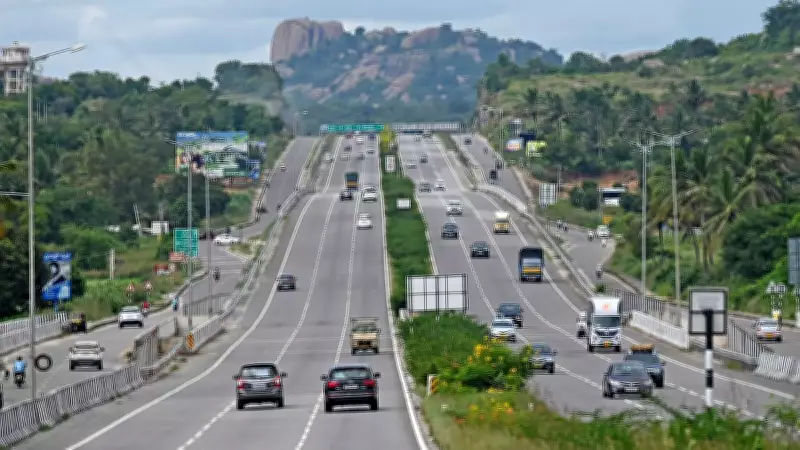
In the realm of highways, the capex will fuel the expansion and modernization of road networks across the country. This includes ongoing projects under the Bharatmala Pariyojana, aimed at improving logistics efficiency, reducing travel time, and fostering regional development through better connectivity.
Additionally, metro projects in urban centers will see accelerated funding to address growing urbanization challenges. These investments are geared towards expanding metro rail networks, enhancing public transportation, reducing traffic congestion, and promoting sustainable urban mobility solutions.
Strategic Implications and Economic Impact
The focus on these sectors aligns with the government's broader vision of infrastructure-led growth, which has been a cornerstone of economic policy in recent years. By channeling capex into shipbuilding, highways, and metro projects, authorities aim to:
- Stimulate employment through large-scale construction and related industries.
- Boost industrial output by improving supply chain logistics and connectivity.
- Enhance quality of life for citizens with better transportation and urban amenities.
- Attract private investment by creating a conducive environment for infrastructure development.
Officials have emphasized that this capex strategy is designed to not only address immediate infrastructure gaps but also lay the groundwork for sustainable economic progress in the coming decades. The allocation reflects a balanced approach, prioritizing sectors that offer high multiplier effects on GDP growth and social welfare.
As the fiscal year approaches, stakeholders in construction, engineering, and logistics sectors are poised to benefit from these targeted investments, with expectations of increased project tenders and collaborative opportunities. The government's commitment to capex in these key areas underscores its resolve to build a robust infrastructure backbone, essential for India's aspirations to become a global economic powerhouse.