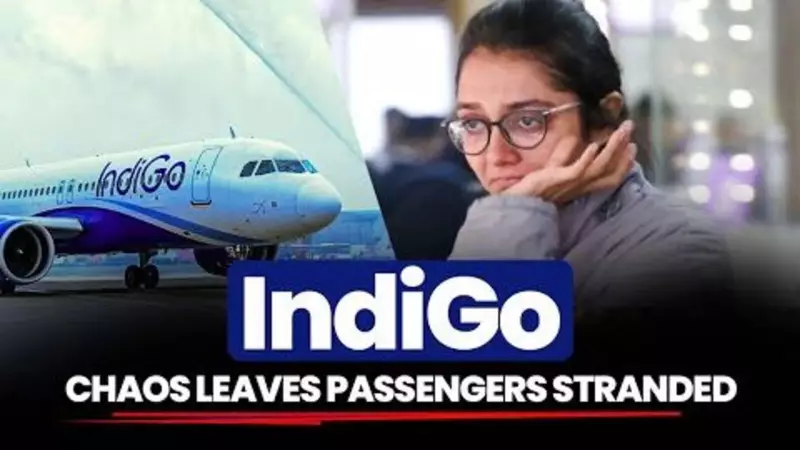
In a decisive move to shield air travelers from exorbitant prices, the Indian government has directed all airlines to strictly adhere to fare caps. This directive comes amidst massive flight disruptions across the country, primarily triggered by operational woes at IndiGo, India's largest carrier.
Government Steps In to Curb Soaring Fares
On Saturday, November 6, the Ministry of Civil Aviation invoked its regulatory powers, issuing an official order to all airlines. The ministry stated it had taken serious note of concerns regarding unusually high airfares being charged during the ongoing crisis. The objective is clear: to ensure fair pricing, prevent exploitation of distressed passengers, and protect vulnerable groups like senior citizens, students, and patients from financial hardship.
The ministry's press note emphasized that the fare caps will remain in force "until the situation fully stabilises." While specific details of the caps were not immediately available, the directive aims to enforce pricing discipline in the market and curb any form of opportunistic pricing during the travel chaos.

The IndiGo Meltdown and Travel Chaos
The aviation sector has been in turmoil for nearly a week. IndiGo cancelled hundreds of flights for five consecutive days, with the situation peaking on Friday when over 1,000 flights were axed. The airline's CEO, Pieter Elbers, issued a video apology to passengers for the major inconvenience, acknowledging the scale of the disruptions.
The primary reason cited for the cancellations was crew-related issues. With a significantly reduced number of available flights, airfares on numerous routes skyrocketed to unprecedented levels, creating a secondary crisis for passengers.
Airfares Reach Astronomical Levels
Reports on Friday painted a grim picture of fare exploitation. A one-way, one-stop economy ticket on a SpiceJet flight from Kolkata to Mumbai for December 6 was priced as high as ₹90,000. Similarly, an Air India ticket for Mumbai to Bhubaneswar soared to ₹84,485.
Industry experts highlighted the severity of the surge. While last-minute fares are typically two to three times the average, this crisis saw them multiplying by up to six times. Ajay Prakash, CEO of Nomad Travel and former president of the Travel Agents' Association of India, condemned the practice, equating it to black marketing and profiteering.
Regulatory Relief and Rule Changes
In response to the operational crisis, the Directorate General of Civil Aviation (DGCA) granted IndiGo temporary relief on Friday. Key relaxations included:
- Rolling back the night duty definition to 12 am-5 am from 12 am-6 am.
- Allowing pilots to perform six night landings, up from the recently mandated two.
Furthermore, following a meeting with pilot associations, the Ministry of Civil Aviation announced it was placing the implementation of the revised Flight Duty Time Limitations (FDTL) norms in abeyance. Notably, IndiGo had been a vocal opponent of these new pilot duty rules since their introduction in January 2024. The second phase, which reduced permitted night landings, had just been implemented on November 1.
The government has also announced special relief for the carrier and the operation of additional trains to help manage the passenger backlog, signaling a multi-pronged approach to resolving the travel crisis gripping the nation.