Government Initiates Strategic Stake Sale in Bharat Heavy Electricals Ltd
The Indian government has officially commenced its planned divestment in Bharat Heavy Electricals Ltd (BHEL), with the offer for sale (OFS) set to begin on Wednesday. This strategic move involves the Centre divesting a 3% stake in the Maharatna company, accompanied by a greenshoe option that could potentially increase the total divestment to 5% of BHEL's equity capital.
OFS Schedule and Greenshoe Mechanism Details
According to a statement released by the Department of Investment and Public Asset Management (Dipam) on social media platform X, the OFS for non-retail investors will open on Wednesday. Retail investors will have their opportunity to place bids on Thursday, ensuring broad participation across investor categories.
The greenshoe option involves the potential sale of an additional 6.96 crore shares, which represents exactly 2% of BHEL's total equity capital. If this option is fully exercised, the total divestment would reach 17.41 crore shares, equivalent to 5% of the company's equity. This mechanism provides flexibility to capitalize on market demand while managing the divestment process strategically.

Current Government Holdings and Company Profile
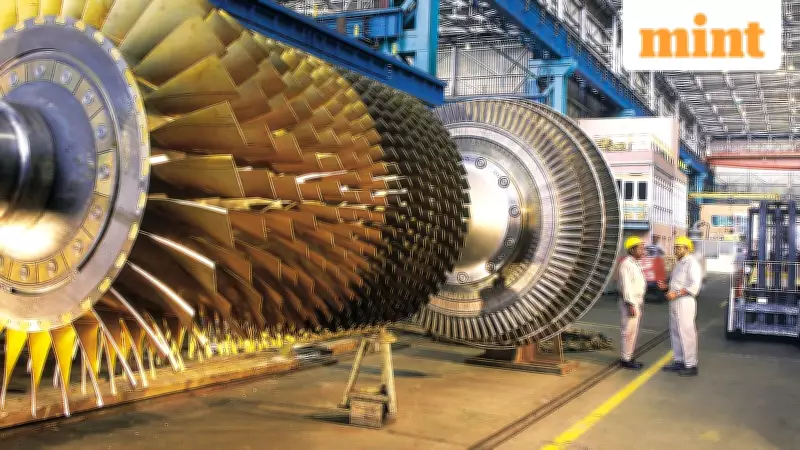
The government currently maintains a 63.17% ownership stake in BHEL, which boasts a substantial market capitalization of ₹96,122.36 crore. As a key entity under the ministry of heavy industries, BHEL plays a critical role in India's power and infrastructure sectors. The company specializes in manufacturing both critical and super-critical thermal power equipment, positioning it as an essential component of the nation's industrial landscape.
Broader Disinvestment Context and Fiscal Targets
This OFS represents a significant component of the government's comprehensive disinvestment strategy for the current fiscal year 2025-26. Official data from Dipam reveals that the government has already raised ₹8,768.02 crore through disinvestment receipts this fiscal year. Additionally, ₹18,837.42 crore has been generated from the monetization of public assets, demonstrating a multifaceted approach to resource mobilization.
The government has revised its disinvestment target for FY26 downward from the originally budgeted ₹47,000 crore to ₹33,837 crore. This adjusted target will be pursued through minority stake sales in various central public sector enterprises, including those in the insurance and defense sectors, complemented by continued asset monetization initiatives.
Recent Disinvestment Activities and Future Projections
The BHEL stake sale serves as a crucial test case for the government's plans to execute additional offers throughout the remainder of the fiscal year. The final amount raised through this OFS will depend entirely on investor response and whether the greenshoe option is exercised.
So far in the current fiscal year, the government has successfully completed stake sales in several prominent public sector entities:
- Bank of Maharashtra: ₹2,624.24 crore
- Indian Overseas Bank: ₹1,419.36 crore
- Mazagon Dock Shipbuilders Ltd: ₹3,673.42 crore
- Specified Undertaking of the Unit Trust of India: ₹1,051 crore
Looking ahead to FY27, the government has established an ambitious disinvestment target of ₹80,000 crore. This substantial increase reflects plans for more extensive share sales in central public sector enterprises alongside expanded asset monetization programs.
Market Performance and Closing Observations
BHEL shares demonstrated positive momentum ahead of the OFS announcement, closing 0.53% higher at ₹276.05 per share at the conclusion of market hours on Tuesday on BSE Ltd. This upward movement suggests investor confidence as the divestment process commences.
The successful execution of this stake sale will not only contribute to the government's fiscal objectives but also potentially enhance market liquidity for BHEL shares while maintaining the government's majority stake in this strategically important public sector enterprise.