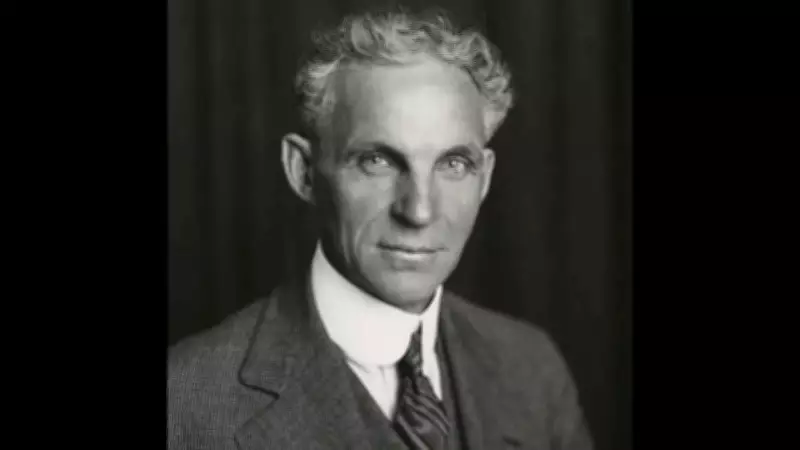
The Legacy of Henry Ford: Revolutionizing Industry and Imparting Timeless Wisdom
Henry Ford, born in Michigan in 1863, was an American industrialist whose innovative ideas fundamentally transformed manufacturing processes and the global economy during the early 20th century. Best known as the founder of the Ford Motor Company, Ford pioneered assembly-line production methods that dramatically increased efficiency and reduced costs. This breakthrough made automobiles affordable for the masses, shifting car ownership from an exclusive luxury for the wealthy to an accessible commodity for everyday people.
Beyond Automotive Innovation: Ford's Philosophical Contributions
While Ford's technological and manufacturing achievements are widely celebrated, his philosophical insights into work ethics, personal responsibility, and financial management have proven equally enduring. One of his most famous quotations encapsulates his core beliefs about financial integrity: “Two classes of people lose money; those who are too weak to guard what they have; those who win money by trick. They both lose in the end.”
This statement highlights two distinct pathways to financial failure: negligence in protecting one's assets and acquiring wealth through deceptive means. Ford argued that both approaches ultimately lead to loss, emphasizing that sustainable prosperity requires diligence, honesty, and long-term planning rather than short-term gains or unethical shortcuts.

Decoding Ford's Financial Philosophy
In his quote, Ford identifies the first group as individuals who are “too weak to guard what they have.” This refers to people who fail to exercise proper financial discipline, whether through inadequate budgeting, reckless spending, poor investment choices, or insufficient planning for future needs. Such carelessness gradually erodes their financial security, undermining years of hard work and savings.
The second group comprises those who acquire money “by trick,” employing dishonest tactics such as fraud, exploitation, or unethical business practices. While these methods might yield temporary profits, Ford contended that they are unsustainable and morally bankrupt, inevitably resulting in long-term failure, legal repercussions, or reputational damage.
Ford's assertion that “they both lose in the end” underscores a fundamental truth: both financial mismanagement and unethical acquisition are doomed to fail. His message champions principles of integrity, prudence, and responsible stewardship as the cornerstones of lasting success.
The Enduring Relevance of Ford's Insights
Henry Ford's wisdom remains profoundly relevant in today's complex economic landscape, where financial systems, markets, and business practices continue to evolve. His quote serves as a powerful reminder for individuals across all professions, cultures, and age groups about the importance of ethical conduct and financial vigilance.
Practical applications of Ford's philosophy include:
- Personal Finance: Implementing disciplined budgeting, regular savings, and strategic investment planning to safeguard assets and ensure long-term stability.
- Career and Business: Prioritizing hard work, transparency, and ethical practices over quick, dishonest gains that risk legal and reputational consequences.
- Relationships: Fostering trust through honest communication and consistent effort, avoiding neglect or exploitation that can damage personal and professional connections.
- Education and Skill Development: Committing to genuine learning and continuous improvement rather than relying on shortcuts that hinder long-term growth.
- Business Decision-Making: Evaluating risks thoroughly, protecting organizational assets, and adhering to legal and ethical standards to avoid financial pitfalls.
Additional Pearls of Wisdom from Henry Ford
Ford's legacy includes numerous other memorable statements that reflect his practical approach to life, work, and responsibility:

- “That man is best educated who knows the greatest number of things that are so, and who can do the greatest number of things to help and heal the world.”
- “Education is preeminently a matter of quality, not amount.”
- “Any man can learn anything he will, but no man can teach except to those who want to learn.”
- “The short successes that can be gained in a brief time and without difficulty, are not worth much.”
- “Nothing can be made except by makers, nothing can be managed except by managers. Money cannot make anything and money cannot manage anything.”
- “The only prosperity the people can afford to be satisfied with is the kind that lasts.”
These quotations, like his focus on financial integrity, emphasize the values of effort, responsibility, and sustainable progress. Henry Ford's contributions extend far beyond the automotive industry, offering timeless guidance for achieving genuine and enduring success in all aspects of life.