

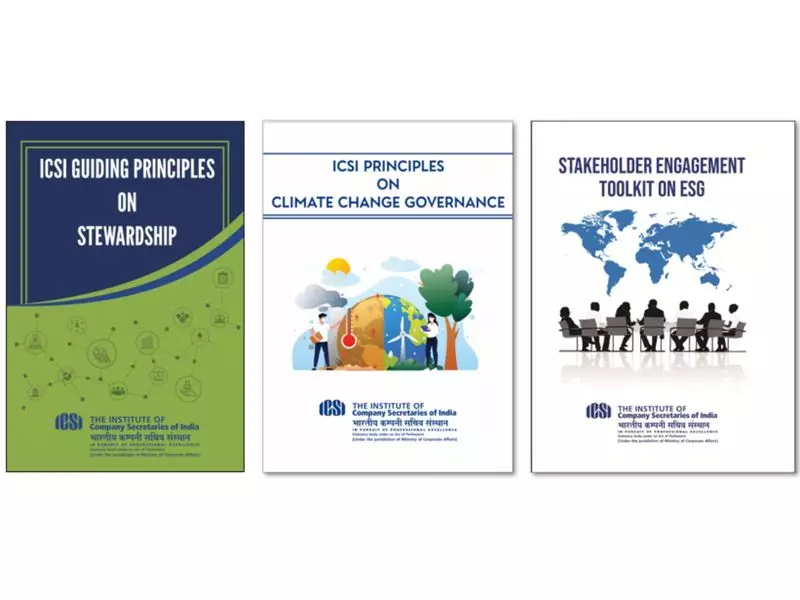
The Institute of Company Secretaries of India (ICSI) has put forward a significant proposal aimed at reshaping how Indian businesses address the global climate crisis. The premier professional body has advocated for a principle-based approach to climate action, moving beyond rigid, one-size-fits-all rules. This initiative seeks to provide companies with flexible yet accountable guidelines to integrate environmental, social, and governance (ESG) factors into their core operations.
The Core of the ICSI Proposal
In its detailed submission to the International Sustainability Standards Board (ISSB), the ICSI emphasized the need for a framework that acknowledges the diverse nature of businesses across different sectors and geographies. The institute argues that a strict, rule-based system may not be practical or effective for all entities. Instead, a principle-based model would allow companies to adapt climate strategies to their specific contexts while maintaining transparency and accountability to stakeholders.
The proposal underscores that such an approach would empower corporate boards and management to exercise informed judgment. It would require them to disclose their rationale for chosen climate actions, ensuring that decisions are made with due diligence and a genuine commitment to sustainability goals. This shift is seen as crucial for developing a robust and credible sustainability reporting ecosystem in India.

Driving Holistic Corporate Governance
The ICSI's recommendation is deeply intertwined with modern corporate governance practices. The institute positions effective climate action as a fundamental component of a company's long-term resilience and fiduciary duty. By adopting a principle-based framework, businesses can more seamlessly weave climate-related risks and opportunities into their overall strategic planning, risk management, and financial disclosures.
This move is expected to guide Company Secretaries, who play a pivotal role as governance professionals, in advising boards on compliance and strategic oversight related to ESG matters. The framework would provide them with a structured yet adaptable tool to ensure their organizations are not just compliant, but are leaders in sustainable business practices. The focus is on creating intrinsic value and ensuring long-term viability in a world increasingly focused on environmental impact.
Implications for Indian Businesses and Global Standards
The ICSI's submission to the ISSB carries considerable weight, as it represents the collective voice of a key professional institute in one of the world's largest economies. If influential bodies like the ISSB incorporate such principle-based thinking into global sustainability standards, it could have a profound impact on how corporations worldwide report and act on climate change.
For Indian businesses, this proposed approach offers a pragmatic path forward. It reduces the risk of box-ticking compliance and encourages meaningful, innovative action tailored to India's unique developmental context. The emphasis on principles over prescribed rules could accelerate the adoption of sustainable practices among small and medium enterprises (SMEs) alongside large corporations, fostering a more inclusive green economy.
In conclusion, the ICSI's proposal marks a strategic intervention in the global discourse on corporate climate responsibility. By championing a principle-based approach, it aims to balance flexibility with accountability, ultimately driving more genuine and effective climate action from the corporate sector. This initiative reinforces the evolving role of governance professionals and sets the stage for a more nuanced and impactful sustainability reporting regime in India and beyond.






