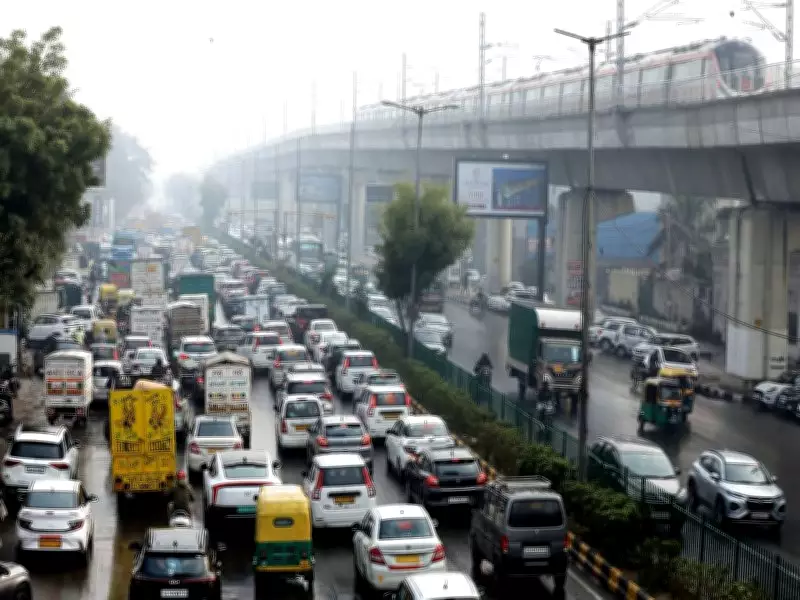
India's automobile sector witnessed a sharp rise in sales during April 2025, with both passenger and commercial vehicle segments reporting robust growth, according to a recent industry report. The surge in sales was driven by a combination of factors including improved consumer sentiment, festive demand, and a wider acceptance of electric vehicles (EVs).
Passenger Vehicle Sales Lead the Charge
Passenger vehicle sales in India jumped by over 15% year-on-year in April, marking one of the highest growth rates in recent months. Automakers attributed this to strong demand for SUVs and compact cars, along with attractive financing options and new model launches. Maruti Suzuki, Hyundai, and Tata Motors reported significant uptick in sales, with Tata Motors particularly benefiting from its growing EV portfolio.
Commercial Vehicle Segment Rebounds
The commercial vehicle segment also posted a healthy recovery, with sales rising by nearly 12% compared to the same period last year. This growth was largely fueled by increased infrastructure spending, mining activities, and e-commerce logistics demand. Ashok Leyland and Mahindra & Mahindra saw notable gains in their truck and bus divisions.

EV Adoption Gains Momentum
A key highlight of the April sales data was the accelerating adoption of electric vehicles. EV sales accounted for approximately 8% of total auto sales, up from 5% in April 2024. The government's FAME II subsidies, state-level incentives, and expanding charging infrastructure have contributed to this shift. Two-wheeler EVs led the charge, with Ola Electric, Ather Energy, and Bajaj Auto reporting record monthly sales. In the passenger EV segment, Tata Motors remained the market leader with its Nexon EV and Tiago EV models, while MG Motor and Hyundai also saw increased demand for their electric offerings.
Challenges and Outlook
Despite the positive trend, the industry faces several challenges including rising input costs, supply chain disruptions, and the need for more affordable EV models. However, with the government's push for electrification and growing consumer awareness, the trajectory for EV adoption remains promising. Industry experts predict that EV penetration could reach 15-20% by 2030, provided infrastructure and policy support continue to strengthen.
Overall, the April auto sales data underscores the resilience and evolving dynamics of India's automotive market, with electrification emerging as a key growth driver.