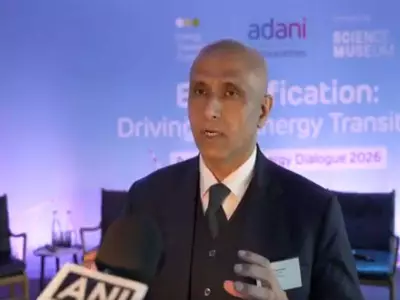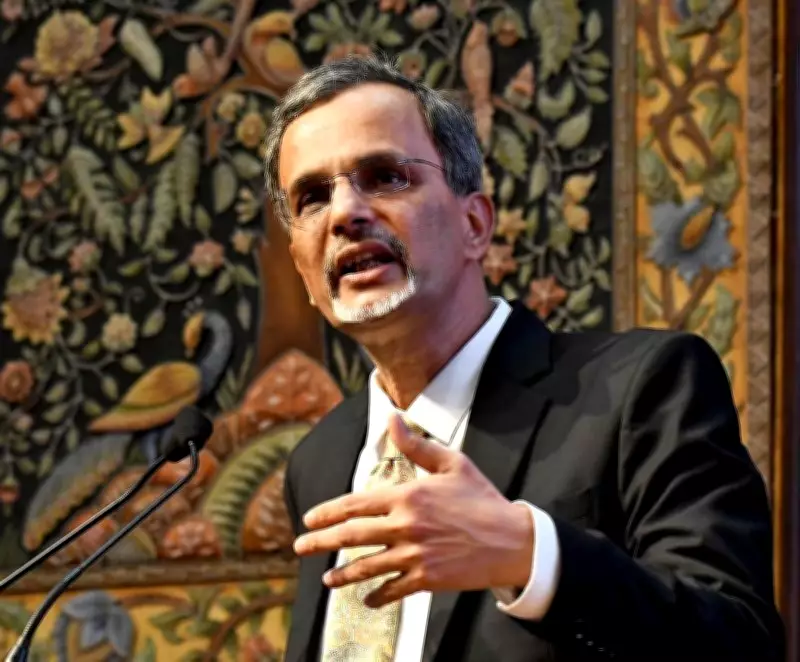
Chief Economic Adviser V. Anantha Nageswaran stated that India successfully navigated the energy and supply chain crisis triggered by the closure of the Strait of Hormuz amid the US-Iran conflict, avoiding any major economic disruption. He emphasized that not a single fuel retail outlet ran out of stock, and every citizen who requested an LPG cylinder received one without hassle, refuting comparisons to the 1991 or 2013 economic crises.
Government's Household-First Approach
Nageswaran attributed the successful crisis management to the government's methodical and progressive approach, similar to its pandemic response. "This was not a coincidence or pure luck. It was the result of a government that made its decision to act methodically and progressively, piling one measure upon another instead of aiming for a single dramatic lever," he said.
The household remained the top priority, with every kitchen having its own cylinder. The import-linked price of a 14.2-kg cylinder surged to over Rs 1,600, but the household price was kept close to Rs 900, with even lower rates for poor sections.

Fuel Price Stabilization Measures
On fuel, the government absorbed the shock rather than passing it to consumers. It minimized the burden on aviation fuel and reduced excise duty on petrol and diesel by Rs 10 per litre, forgoing nearly Rs 1.7 trillion in revenue. Marketing firms maintained constant pump prices for over two months before a single moderate adjustment.
"Only the government has the balance sheet and time horizon to take on the risk," Nageswaran explained, adding that the burden was absorbed on the fiscal account rather than on individuals and companies.
Energy Diversification and Strategic Steps
India quickly diversified its energy sources, boosting imports from the US and Russia and adding new suppliers to reduce dependence on the Strait of Hormuz. It also secured waivers to continue purchasing Russian oil. Other long-term measures included a coal gasification program, a push for ethanol blending, strategic oil storage agreed upon during the Prime Minister's visit to the UAE, and conversion of households from cylinders to piped gas.
As Strait of Hormuz traffic reduced to a trickle, India remained one of the few countries that continued moving its cargo. The same patience was applied to managing external accounts: the government expanded securities available under law and eliminated capital gains and withholding taxes on foreign institutional purchases of government debt under the Fully Accessible Route, attracting capital into the bond market.