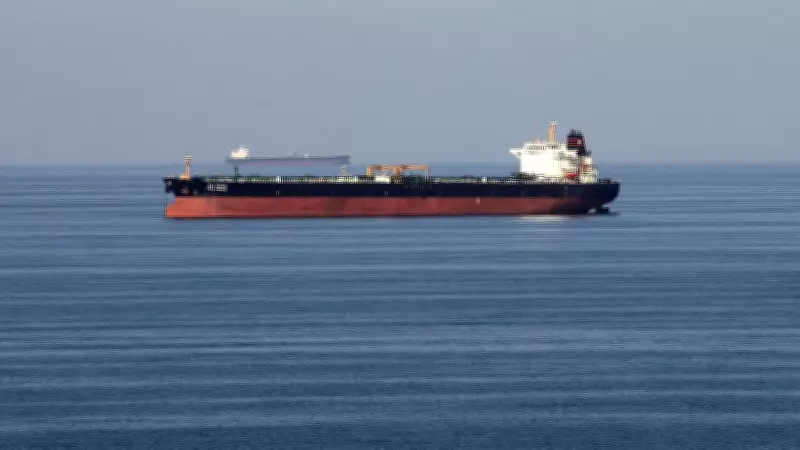
Indian Refiners Capitalize on US Waiver to Acquire Russian Oil from Sea
In a significant development for global energy markets, Indian refiners have swiftly moved to purchase Russian oil cargoes that were previously stuck at sea. This strategic shift comes directly after the United States Treasury Department issued a crucial 30-day license, granting temporary permission for these transactions to proceed.
Immediate Response to Regulatory Relief
Sources close to the matter have confirmed that Indian refining companies stepped up their acquisition efforts almost immediately upon receiving the waiver. The license specifically allows India to buy Russian oil that is currently held in maritime vessels, addressing a logistical bottleneck that had developed due to international sanctions and geopolitical pressures.
The waiver, effective for a period of 30 days, provides a narrow window for Indian energy firms to secure these vital supplies. This move is seen as a pragmatic solution to ensure energy security and stabilize fuel prices within the domestic market, while navigating the complex web of global trade restrictions.

Background and Global Context
This development occurs against a backdrop of ongoing conflicts and diplomatic maneuvers involving key nations such as the United States, Iran, Israel, and Russia. The West Asia region, in particular, remains a focal point of energy politics, influencing oil flows and pricing worldwide.
Indian refiners, who have historically relied on diverse sources for crude oil, are now leveraging this temporary exemption to bolster their inventories. The stranded sea cargoes represent a ready supply that can be quickly integrated into the refining process, potentially mitigating disruptions caused by broader market volatility.
Economic and Strategic Implications
The ability to access Russian oil from sea-based reserves offers several advantages:
- Enhanced Supply Chain Flexibility: By tapping into these maritime stocks, refiners can reduce dependency on traditional pipeline or port deliveries.
- Cost Management: Securing oil from stranded cargoes may provide cost benefits, especially if prices are negotiated favorably during the waiver period.
- Diplomatic Balancing Act: India's move demonstrates its skill in maintaining energy ties with Russia while adhering to international regulatory frameworks, as facilitated by the US waiver.
This episode underscores the intricate interplay between national energy policies and global diplomacy. As the 30-day license progresses, market observers will closely monitor how Indian refiners optimize this opportunity and what long-term effects it may have on regional energy dynamics.
The information is based on reports from PTI, dated March 6, 2026, highlighting the timely nature of these developments in the business and geopolitical spheres.