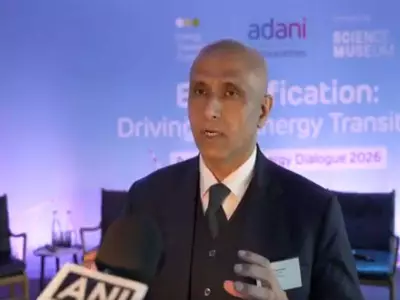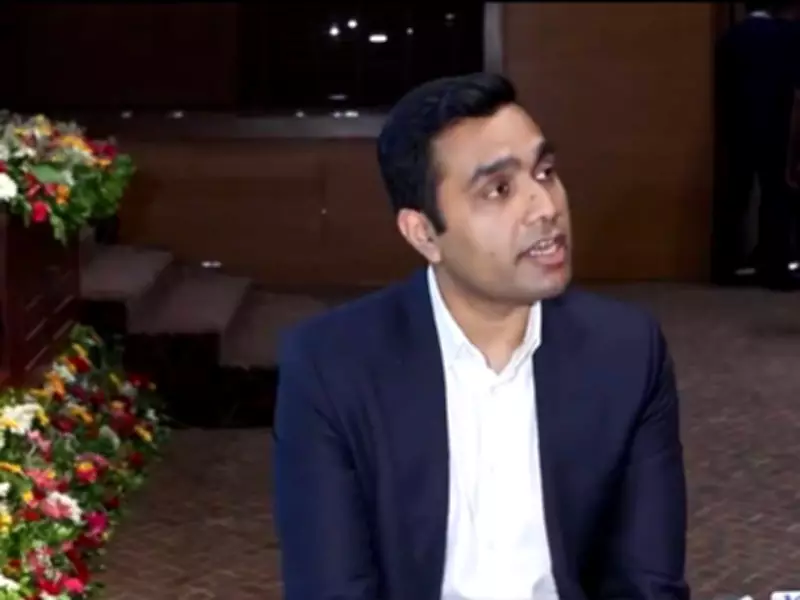
India has the potential to become a net exporter of aluminium if production is executed at a highly competitive rate, according to Karan Adani, Managing Director of Adani Ports & Special Economic Zone Ltd (APSEZ). Speaking to media after signing a Memorandum of Understanding (MoU) between Adani Enterprises Ltd and the Odisha government, Adani noted that despite large domestic capacities and established players, India continues to import aluminium, indicating strong demand and room for multiple participants.
Domestic demand drives import reliance
Adani stated, "I think if you look at the overall market, even with such large capacities being there, large players being there, we still import aluminium, which is a sign that there is more demand and there is going to be enough room for everybody to be in this market." He added, "And at the end of the day, if done at a very competitive rate, India can be a net exporter of aluminium as well."
Project timeline and regulatory phase
The company plans to begin physical construction after completing initial regulatory and licensing phases, which are expected to take 12 to 18 months. "As I mentioned earlier, it will take us 12 to 18 months to get the approvals and then post that we will start the physical construction. So that's the timeline that we are looking at," Adani said.

Bauxite supply strategy
A critical component of the project is securing a stable supply of bauxite, the primary raw material for aluminium production. Adani indicated the company will participate in upcoming state mineral auctions and explore partnerships with Odisha Mining Corporation (OMC). "As I said earlier, there are few mines which are coming up for auction. We will definitely look at that. We will try to look at working with OMC as well. We'll find a way where bauxite security is ensured," he stated.
Investment and job creation
The Adani Group announced a proposed investment of USD 11.5 billion (nearly Rs 1.08 lakh crore) in Odisha to develop an integrated aluminium manufacturing ecosystem. The project is expected to generate more than 53,000 jobs during construction and operational phases. Adani explained, "This is our initial investment that we are looking at and basically the idea is to bridge the gap between what is India's requirement and also the future requirement and that's the gap that we are looking to fill."
Integrated aluminium value chain
The project will integrate the entire aluminium value chain, including an alumina refinery with a capacity of nearly 4 million tonnes per annum, an aluminium smelter of about 2 million tonnes per annum, and a downstream aluminium park of about 1 million tonnes per annum. It will be backed by a captive power plant of around 4,000 MW along with a 400 MW green energy component.