

India Imposes Caps on Refinery Margins After Windfall Tax to Stabilize Fuel Prices
In a decisive move to address the economic fallout from the global oil crisis, the Indian government has implemented caps on refinery margins. This action follows the recent imposition of a windfall tax, aimed at curbing excessive profits and stabilizing domestic fuel prices. The measures are designed to protect consumers and the broader economy from the volatility in international oil markets, which has led to significant losses in the fuel sector.
Background on the Global Oil Crisis and Domestic Impact
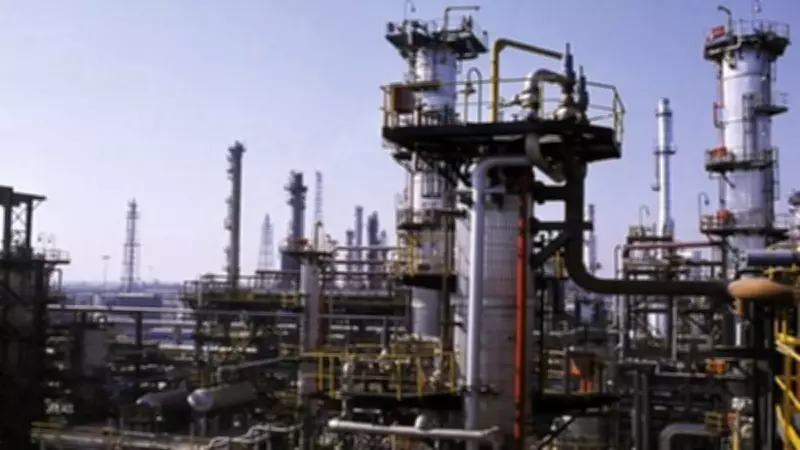
The global oil crisis, characterized by supply disruptions and geopolitical tensions, has sent shockwaves through economies worldwide. In India, this has translated into soaring crude oil import costs, putting immense pressure on domestic fuel prices. Refineries, which process crude into petroleum products like petrol and diesel, have faced mounting challenges as their margins fluctuated wildly. This instability has not only affected their profitability but also threatened to pass on higher costs to end-users, exacerbating inflationary pressures.
To counteract these effects, the government introduced a windfall tax on oil companies, targeting the supernormal profits generated during periods of high global oil prices. However, recognizing that this alone might not suffice, authorities have now extended their intervention by capping refinery margins. This dual approach aims to ensure that savings from the tax are effectively channeled to mitigate fuel losses and prevent price spikes at the pump.

Details of the Refinery Margin Caps and Their Objectives
The caps on refinery margins set a maximum limit on the profits that refineries can earn from processing crude oil. By regulating these margins, the government seeks to create a more predictable pricing environment for fuels. Key objectives include:
- Reducing Volatility: Limiting margin fluctuations to prevent sudden price hikes in petrol, diesel, and other petroleum products.
- Protecting Consumers: Shielding households and businesses from the brunt of global oil price surges by ensuring stable fuel costs.
- Supporting Economic Stability: Mitigating inflationary trends that could derail economic growth, especially in sectors reliant on transportation and energy.
- Ensuring Fairness: Balancing the interests of oil companies with public welfare, preventing undue profiteering during crises.
This policy is part of a broader strategy to enhance energy security and resilience in the face of external shocks. It complements existing measures like strategic petroleum reserves and diversification of energy sources.
Implications for the Oil Industry and Broader Economy
The imposition of margin caps is expected to have significant ramifications for India's oil industry. Refineries may see a reduction in their earnings potential, which could impact investment decisions and operational efficiencies. However, proponents argue that this is a necessary trade-off to safeguard the economy from fuel-induced inflation and losses.
From a macroeconomic perspective, stable fuel prices are crucial for controlling inflation, which has been a persistent concern in recent years. By curbing refinery margins, the government aims to break the transmission of global oil price shocks to domestic markets. This could provide relief to sectors like agriculture, logistics, and manufacturing, which are heavily dependent on affordable energy.
Moreover, the windfall tax and margin caps together signal a proactive stance by policymakers in managing economic crises. They reflect a commitment to using fiscal tools to address market failures and protect vulnerable populations from price volatility.
Future Outlook and Potential Challenges
Looking ahead, the effectiveness of these measures will depend on several factors, including global oil price trends and domestic demand patterns. If the global crisis deepens, further interventions might be necessary to maintain stability. Challenges could arise from compliance issues within the industry or unintended consequences, such as reduced incentives for refinery upgrades.

Nevertheless, the government's actions underscore a strategic approach to crisis management, blending taxation with regulatory controls. As India navigates the complexities of the global oil landscape, these policies will play a pivotal role in shaping the country's energy and economic trajectory in the coming years.





