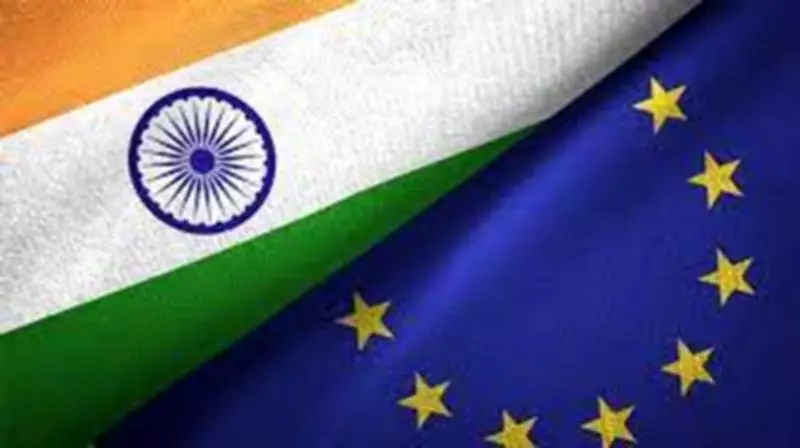
The India-European Union Free Trade Agreement (FTA), expected to be signed by December 2026 and come into force by February-March 2027, will significantly benefit India's textile, leather, and gems and jewellery industries through substantial tariff reductions, according to Union Commerce and Industry Minister Piyush Goyal.
Key Sectors Set to Gain from Zero-Duty Access
Minister Goyal announced that a significant portion of Indian exports would receive duty-free access under the FTA, enhancing India's competitiveness in European markets. The agreement aims to reduce tariffs on a wide range of goods and services, opening new commercial, manufacturing, and export opportunities.
Textile Industry: Major Boost for Labour-Intensive Exports
The textile sector, which currently faces a 12% EU tariff, will see duties drop to zero. This is expected to be a major victory for labour-intensive exports and micro, small, and medium enterprises (MSMEs). Indian clothing and textiles will become considerably less expensive on European shelves, potentially leading to larger customer contracts, longer production cycles, and more consistent factory utilisation. The pact gives India access to the USD 263.5 billion EU textile market, where Indian exports are currently valued at only USD 7.7 billion.

Leather Industry: Encouraging Formal Jobs and MSME Growth
The leather sector, with current EU tariffs of 17%, will also benefit from zero-duty access. The deal can encourage formal jobs and MSME involvement while helping Indian companies win new orders in both mass and mid-premium segments. India is well-positioned to increase its market share in the USD 100 billion EU leather and footwear import market.
Gems and Jewellery: Strengthening Design and Precision Exports
For the gems and jewellery sector, the EU tariff will drop from 4% to zero. This strengthens India's advantage in design-driven and precision-driven jewellery exports, where accuracy, timeliness, and craftsmanship are as important as pricing. Lower landing costs can increase EU demand in both studded and plain gold segments, fostering closer ties with European wholesalers and brands. Gains are expected in cutting, polishing, setting, and finishing, with a substantial employment multiplier due to the sector's MSME-heavy and artisan-supported nature.
Broader Impact on India-EU Trade Relations
Minister Goyal emphasized that the FTA would substantially boost India's access to European markets by reducing tariffs. The agreement is seen as a strategic move to deepen economic ties between India and the EU, benefiting various export-oriented industries and supporting the government's push for manufacturing and job creation.