

India Ramps Up Cooking Gas Production by 10% to Address Supply Gap from West Asia Conflict
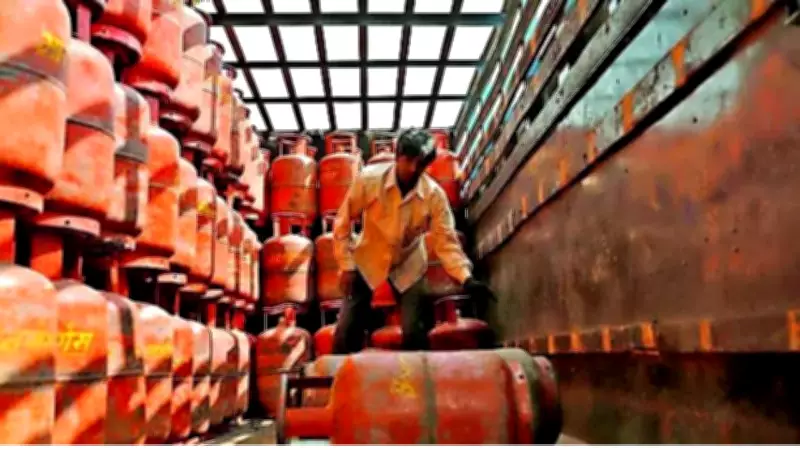
In response to supply disruptions caused by the ongoing West Asia war, the Indian government has successfully increased cooking gas production by 10%. This strategic move follows directives issued to oil refiners to divert all components used in LPG production to fill the emerging supply gap, officials confirmed on Tuesday.
Government Forms Committee to Address Commercial LPG Concerns
Acknowledging widespread complaints from hotels and restaurants about shortages of commercial LPG cylinders, the government has established a three-member committee to assess the situation. This panel includes one executive director each from three state-run oil companies: IndianOil, Bharat Petroleum, and Hindustan Petroleum.
Officials have maintained that gas agencies possess sufficient LPG stock but have admitted to "supply management issues" specifically with commercial cylinders. They emphasized that nearly 60 lakh commercial and domestic cylinders continue to be distributed daily, matching pre-conflict levels, and no domestic LPG distributorships are running dry.

Domestic Consumers Prioritized Over Commercial Users
An official explained the government's stance: "In a war situation, there is a choice between domestic and commercial consumers; the government's priority has to be domestic consumers." This prioritization ensures that India's more than 33.3 crore domestic LPG consumers receive uninterrupted supply.
While dismissing shortage complaints as "rumours", officials noted that cooking gas cylinders are being delivered within the mandated timeframe of two-and-a-half days, though deliveries typically occurred within one day before the conflict. The government last week invoked provisions of the Essential Commodities Act, instructing state-run refiners to ramp up LPG production and divert additional output exclusively to the domestic sector.
Industry Response and Committee Function
The National Restaurant Association of India expressed concern over commercial cooking gas cylinder availability disruptions, writing to Petroleum Minister Hardeep Singh Puri following confusion in several states. In response, the three state-run oil marketing companies clarified their approach through social media posts.
They stated that while ensuring supplies to all domestic customers, LPG would also be supplied to essential non-domestic sectors such as hospitals and schools based on requirements. The companies posted committee members' contact details and encouraged those needing commercial LPG to approach the panel.
However, the oil companies cautioned: "Since non-domestic LPG supply depends on the availability of imported products, the committee may not be able to address every grievance. Requests will be considered based on their merits and product availability, and appropriate decisions will be made accordingly."
Broader Context of Supply Management
This production increase and supply prioritization strategy represents a proactive government response to global energy market volatility triggered by the West Asia conflict. By focusing on domestic security while addressing critical commercial needs through a structured committee process, authorities aim to balance competing demands during an international crisis.






