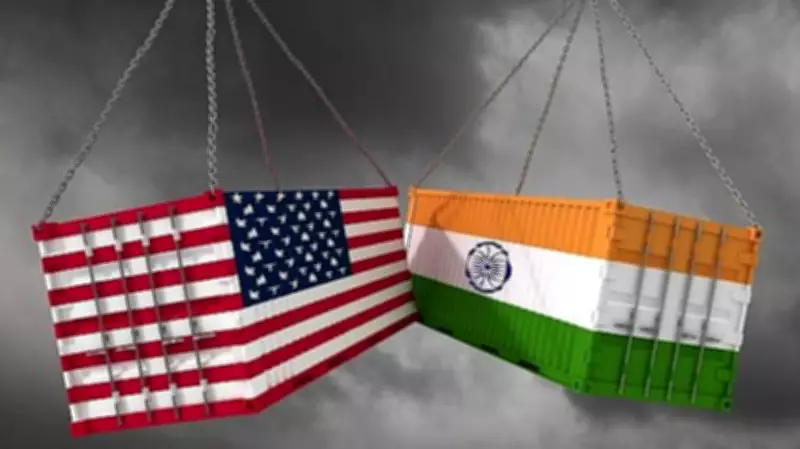
The Global Trade Research Initiative (GTRI) has urged India to challenge the United States' proposed 125 percent tariff on Indian goods under Section 301 investigations. The recommendation comes as a response to the U.S. Trade Representative's (USTR) announcement of potential punitive tariffs on multiple countries, including India, over digital services taxes and other trade practices.
GTRI's Stance on USTR's Proposed Tariffs
According to GTRI, the proposed tariff is unjustified and could severely impact India's exports to the U.S., particularly in sectors like information technology, pharmaceuticals, and textiles. The think tank emphasized that India must take a firm stand against such protectionist measures to protect its economic interests.
Potential Impact on India-U.S. Trade Relations
GTRI highlighted that the proposed 125 percent tariff would be a significant escalation in trade tensions between the two countries. India exported goods worth approximately $85 billion to the U.S. in 2024, making the U.S. its largest trading partner. The tariff could disrupt supply chains and increase costs for American consumers.

Legal and Diplomatic Options for India
GTRI suggested that India could challenge the U.S. action at the World Trade Organization (WTO) under dispute settlement mechanisms. Additionally, India could retaliate with its own tariffs on U.S. goods, as it did in 2019 when the U.S. revoked preferential trade benefits. However, GTRI cautioned against a full-blown trade war, recommending a calibrated response.
Background of Section 301 Investigations
Section 301 of the U.S. Trade Act of 1974 allows the U.S. to impose tariffs on countries engaging in unfair trade practices. The USTR launched investigations into India's digital services tax and other policies, alleging they discriminate against U.S. companies. GTRI argued that India's policies are compliant with global trade norms and that the U.S. is using Section 301 as a tool to pressure developing nations.
GTRI founder Ajay Srivastava stated, "India must not bow to such coercive tactics. The proposed tariff is a disproportionate response and violates WTO principles." He further noted that India should engage in bilateral talks while preparing for a legal battle.
Recommendations for India
- WTO Challenge: File a formal complaint at the WTO against the U.S. tariff proposal.
- Retaliatory Measures: Impose counter-tariffs on select U.S. imports to signal resolve.
- Diplomatic Engagement: Strengthen diplomatic channels to negotiate a mutually acceptable solution.
- Domestic Policy Adjustments: Review digital services tax and other policies to address U.S. concerns without compromising sovereignty.
GTRI also called for unity among other affected nations, such as the European Union and China, to collectively challenge U.S. protectionism. The think tank warned that unilateral actions by the U.S. could undermine the multilateral trading system.
Conclusion
The proposed tariff poses a serious challenge to India's export competitiveness. GTRI's advice underscores the need for a robust strategy combining legal, diplomatic, and economic tools to safeguard India's trade interests. The coming months will be critical as both nations navigate this high-stakes trade dispute.