India Affirms Strong Energy Security Amid Strait of Hormuz Disruptions
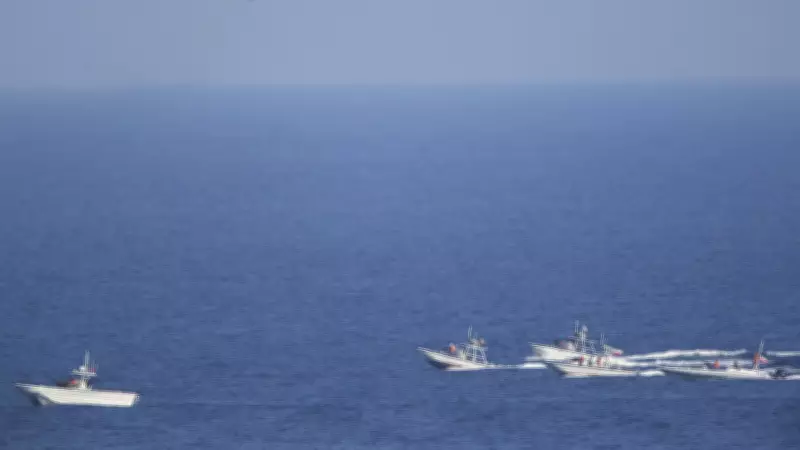
In a significant statement addressing global energy concerns, Indian government sources have emphatically stated that the country is not dependent on oil and gas supplies currently stuck in the Strait of Hormuz. This declaration comes amidst rising regional tensions that have led to delays in maritime shipments through this critical chokepoint, which handles about one-fifth of the world's oil trade.
Robust Strategic Reserves and Diversified Sources
Officials highlighted that India has built substantial strategic petroleum reserves and diversified its energy import sources over recent years, reducing reliance on any single transit route. The government's proactive measures include increasing domestic production and securing long-term contracts with multiple suppliers from regions beyond the Middle East.
Key factors bolstering India's position include:

- Enhanced storage capacity with underground reserves in locations like Visakhapatnam, Mangalore, and Padur.
- Strategic partnerships with countries in Africa, Latin America, and the United States for crude oil imports.
- Accelerated investments in renewable energy to supplement traditional fossil fuel needs.
Minimal Impact on Domestic Market
According to the sources, the current disruptions in the Strait of Hormuz are expected to have a negligible effect on India's domestic fuel availability and pricing. The country's refining sector is operating at optimal levels, with sufficient inventory to cushion short-term supply shocks. This resilience is attributed to careful planning and the implementation of contingency protocols developed in response to previous geopolitical incidents.
Furthermore, the government is closely monitoring the situation and remains in constant communication with international allies and shipping agencies to ensure any potential risks are mitigated promptly. The emphasis is on maintaining stability in energy markets and preventing speculative price hikes that could affect consumers and industries.
Long-Term Vision for Energy Independence
This announcement aligns with India's broader vision of achieving greater energy independence and security. Initiatives such as the National Biofuel Policy and the promotion of electric vehicles are part of a comprehensive strategy to reduce import dependency over the coming decades. The current stance on the Strait of Hormuz issue underscores the nation's confidence in its evolving energy landscape.
In summary, while the Strait of Hormuz remains a vital artery for global oil transport, India's strategic preparations and diversified approach have positioned it to weather such disruptions without significant strain, reinforcing its commitment to stable and secure energy access for its growing economy.