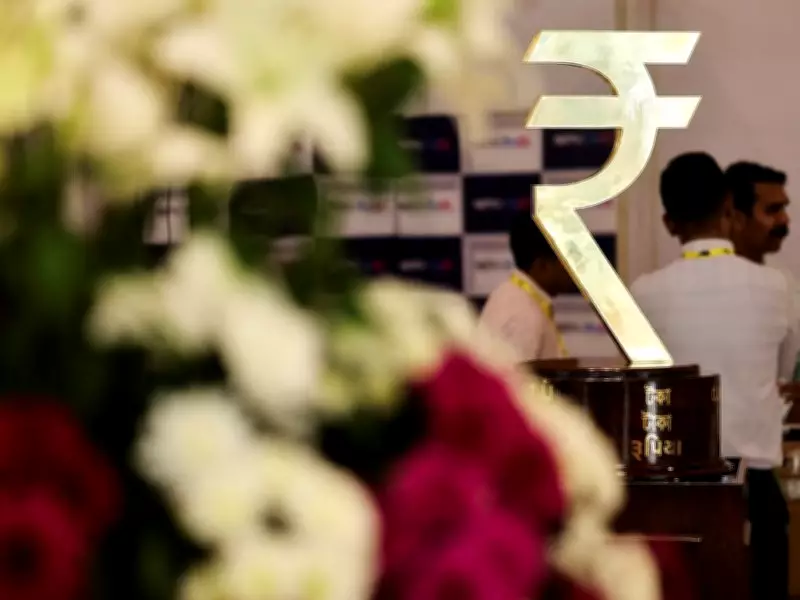
The Indian rupee touched an all-time low of 85.07 against the US dollar on [date], surpassing its previous record low. The currency weakened due to sustained demand for the dollar from importers and foreign portfolio investors pulling out funds from Indian markets.
Factors Behind the Decline
The rupee's depreciation is attributed to multiple factors, including a strong dollar index globally, rising crude oil prices, and concerns over India's trade deficit. The Reserve Bank of India (RBI) has likely intervened to curb volatility, but the pressure on the rupee persists.
Impact on Economy
A weaker rupee makes imports more expensive, potentially fueling inflation. Sectors like oil, electronics, and pharmaceuticals, which rely on imports, face higher costs. However, export-oriented industries such as IT and textiles may benefit from increased competitiveness.

Market Reaction
The stock market saw mixed reactions, with the BSE Sensex and Nifty 50 experiencing volatility. The bond market witnessed a rise in yields as foreign investors reduced exposure to Indian debt.
Outlook
Analysts expect the rupee to remain under pressure in the near term, with potential further depreciation if the dollar strengthens or global risk sentiment worsens. The RBI may continue to manage the currency's slide through interventions and policy measures.
This record low highlights the challenges facing the Indian economy amid global headwinds, including geopolitical tensions and monetary tightening by central banks worldwide.