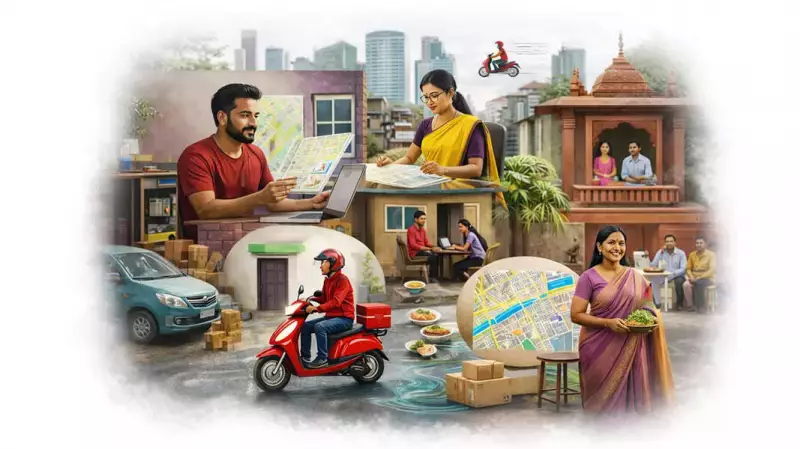
India's 10-Minute Grocery Delivery Debate: Policy Theater or Real Change?
In India, time often feels like a flexible concept. It bends and stretches like monsoon rubber, rarely provoking protest. Yet, a curious national debate now centers on a specific timeframe: ten minutes for grocery deliveries.
The Union labour minister has made a quiet request to quick commerce companies. The minister asked these firms to move away from explicit "10-minute delivery" advertising promises.
A Sudden Focus on Road Safety
This move suggests a sudden awakening to road safety concerns. For many Indian road users, safety has often been an afterthought. The intense pressure to meet ten-minute delivery windows arguably contributes to risky driving behavior among delivery personnel.

Changing a marketing slogan, however, might be just the surface of a deeper issue. It raises a critical question: is this genuine policy reform or merely symbolic action?
The Reality Behind Quick Commerce Promises
Quick commerce platforms revolutionized how urban Indians shop. They promised extreme convenience with lightning-fast deliveries. The "10-minute" tagline became a powerful marketing tool, setting intense expectations for consumers and immense pressure on delivery executives.
The minister's intervention highlights growing scrutiny on this business model. It questions whether such speed is sustainable or safe within India's often chaotic urban infrastructure.
Beyond Advertising: The Need for Systemic Solutions
Simply removing a tagline does not solve underlying problems. Real change requires a multi-faceted approach:
- Improved working conditions for delivery partners, with realistic targets.
- Investment in road safety education and infrastructure.
- Consumer awareness about the human cost of instant gratification.
The debate over ten minutes is, in many ways, a proxy for larger discussions about work, safety, and consumption in modern India. It forces us to examine what we prioritize as a society.
While the government's nudge is a positive step, its impact remains to be seen. Will companies adopt more responsible marketing? Will they implement operational changes that truly protect workers? The answers to these questions will determine if this is meaningful progress or just a brief, ten-minute drama in India's policy landscape.