

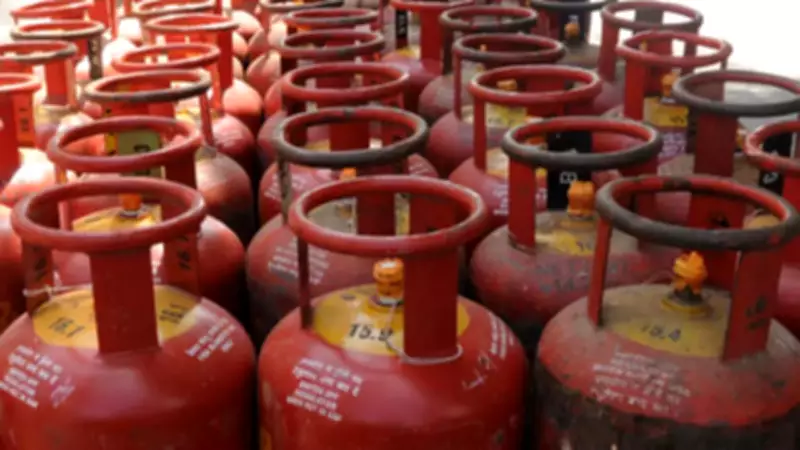
India's LPG Crisis Intensifies as Restaurants Struggle with Inadequate Supply
The ongoing LPG shortage in India has reached critical levels, with restaurants across Delhi reporting severe disruptions to their daily operations. Despite government efforts to increase allocations, many eateries claim they are receiving just one or two commercial cylinders per day—far below their actual requirements.
Government Increases Industrial Allocation Amid Growing Demand
The petroleum ministry announced a significant 20% increase in commercial LPG allocation to states and Union Territories on Friday. This move aims to address rising demand from key industrial sectors including steel, automobiles, textiles, and chemicals. With this enhancement, total LPG supply has now reached 70% of pre-conflict levels.
The additional quota comes with specific conditions: Industrial units must be registered with oil marketing companies, declare their end use of LPG cylinders, and be connected to or have signed up for piped gas networks. However, exemptions will be granted to units requiring LPG for specialized processes where natural gas cannot serve as a substitute.

Delhi Restaurants Face Operational Crisis
In the national capital, restaurant owners describe a dire situation. A representative from Tadka Rani restaurant in Greater Kailash revealed that their three branches require approximately 13 cylinders daily but have received just one cylinder in the past ten days.
"We are facing significant losses," the representative explained. "We have modified recipes and reduced our menu to manage operations. Many restaurants have already shut down. We are still in survival mode and hoping for some relief in April."
At My Yellow Cafe in Shaikh Sarai, staff member Mohit reported that the outlet has not received any LPG cylinders despite placing a request two weeks ago. "We are currently relying on electric appliances as we have not received any cylinders yet," he said, noting that limited menu options have driven away regular customers.
Regional Impact Across Multiple States
The crisis extends beyond Delhi, affecting various regions differently:
- Bijnor District: Hotels and food businesses have begun switching to wood- and coal-fired furnaces. In Sherkot, restaurant owner Munna has discontinued breakfast service and curtailed lunch and dinner menus, dropping items like chole and paneer due to longer cooking times on alternative fuels.
- Rudrapur: Exporters report that rising tensions between Iran, the United States, and Israel have severely impacted shipments to West Asian markets. Exports of rice and frozen vegetables have nearly halted, affecting approximately one lakh quintals of products.
- West Bengal: Chief Minister Mamata Banerjee has demanded that cooking gas produced within the state should not be diverted elsewhere. She expressed concerns that allocations for government personnel and paramilitary forces deployed for election duty might create shortages for ordinary citizens.
Government Response and Enforcement Actions
Delhi Food and Supplies Minister Manjinder Singh Sirsa announced that commercial LPG cylinder allocation has been increased from 20% to 50% of average daily consumption. "Strict action is being taken against black marketing and hoarding," he assured, while promising uninterrupted supply for both residents and businesses.
This follows earlier enforcement actions, including the busting of an illegal LPG hoarding racket in outer Delhi. Police arrested a father-son duo and seized 50 Indane LPG cylinders along with unauthorized refilling equipment. The accused had been diverting cylinders meant for distribution and selling them at inflated prices in the open market.
Broader Economic Implications
The LPG shortage has created ripple effects across multiple sectors:

- Hospitality Industry: Manpreet Singh, secretary of the National Restaurant Association of India, confirmed that restaurant closures are increasing due to ongoing supply constraints.
- Export Sector: Rudrapur's export-driven economy has been particularly hard hit, with shipments to at least ten West Asian countries suspended according to exporter Ashok Agarwal.
- Small Businesses: Many establishments in Bijnor district are on the verge of closure, with some already shifting to coal-fired operations like the popular jalebi shop at Johnny Chauraha.
The government's phased allocation strategy prioritizes labor-intensive industries and process units dependent on LPG for specialized heating needs. Authorities continue to encourage states to implement reforms that would qualify them for further allocations, particularly those supporting the expansion of city gas distribution networks.
As the situation evolves, businesses across sectors remain hopeful for more substantial relief measures in the coming weeks, while consumers brace for potential impacts on food services and industrial production throughout the country.





