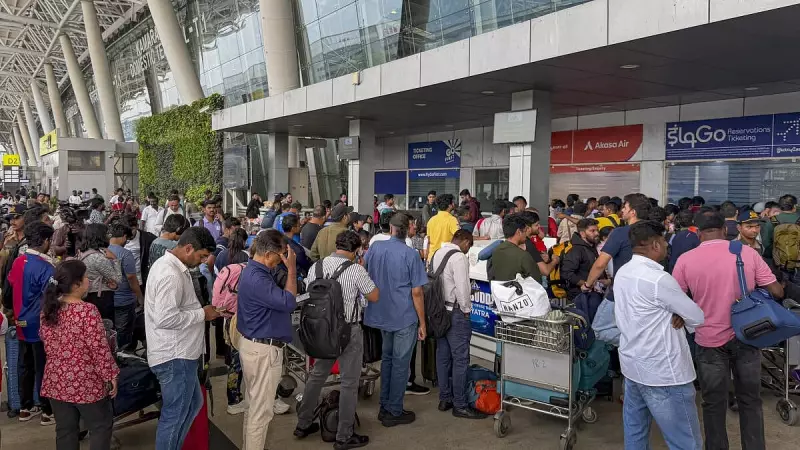
A wave of severe disruptions at major airports across India has thrown air travel into chaos, laying bare critical flaws in airline operations and regulatory oversight. The incident, which unfolded on December 5, 2025, has placed the country's largest carrier, IndiGo, and the aviation regulator, the Directorate General of Civil Aviation (DGCA), squarely in the line of fire for their respective roles in the crisis.
IndiGo at the Center of the Storm
The immediate trigger for the widespread airport mayhem has been attributed to significant operational failures by IndiGo. Passengers faced hours-long delays, last-minute cancellations, and a near-complete breakdown of communication at multiple hubs. The chaos was not limited to a single location but cascaded through the network, causing a domino effect that stranded thousands of travelers.
Reports from the ground described scenes of confusion and frustration, with overcrowded terminals and overwhelmed ground staff unable to provide clear information or solutions. The airline's systems appeared to buckle under pressure, leading to a logistical nightmare that exposed a lack of robust contingency planning. Industry analysts point to scheduling overreach, crew management issues, and technical glitches as potential core problems that IndiGo failed to mitigate.

DGCA's Role: Accused of Sleeping at the Wheel
While IndiGo bears direct responsibility for the operational meltdown, the DGCA has faced sharp criticism for what observers call a failure in proactive regulation. The phrase "sleeping at the wheel" has been used to characterize the regulator's perceived inaction in anticipating and preventing such a large-scale failure.
As the nodal agency responsible for enforcing safety and efficiency standards, the DGCA is expected to monitor airline operations closely, especially of carriers with IndiGo's market dominance. Critics argue that the regulator should have identified the systemic vulnerabilities within the airline's expanded operations and enforced corrective measures earlier. This incident raises serious questions about the effectiveness of the DGCA's oversight mechanisms in a rapidly growing but strained aviation market.
Systemic Flaws and the Path Forward
The December 5 chaos is more than an isolated bad day for air travel; it is a symptom of deeper, interconnected problems within Indian aviation. The event highlights a dangerous combination of an airline pushing growth boundaries without commensurate resilience and a regulator struggling to keep pace.
The consequences are far-reaching:
- Mass passenger inconvenience and financial loss.
- Erosion of trust in the country's aviation infrastructure.
- Potential long-term damage to India's reputation as an emerging aviation powerhouse.
Moving forward, this episode must serve as a wake-up call. IndiGo needs to urgently review its operational scalability and crisis management protocols. Simultaneously, the DGCA must transition from a reactive to a proactive watchdog, employing data analytics and stricter audits to ensure airlines maintain robust operational integrity alongside growth. The need for better coordination between airlines, airports, and the regulator has never been more apparent to prevent a repeat of such debilitating chaos.