

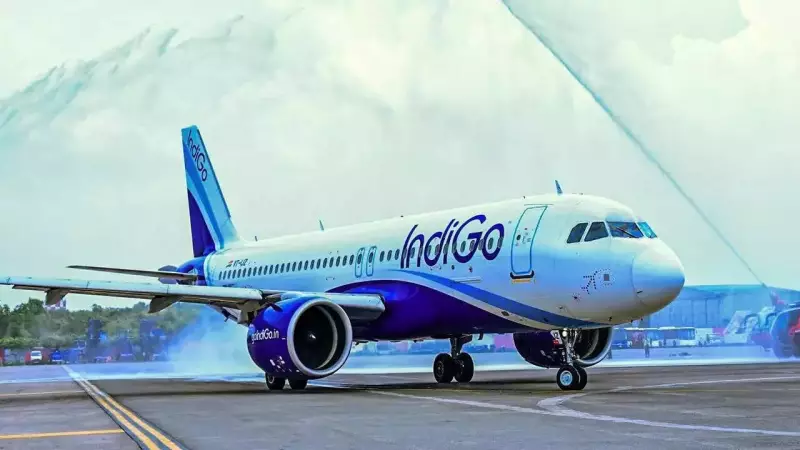
India's largest airline, IndiGo, is navigating one of the most turbulent phases in its operational history, marked by unprecedented flight cancellations and severe delays. The carrier cancelled a staggering over 1,000 flights on Friday, November 1, operating a mere 700 flights compared to its typical daily schedule of 2,300. This disruption, described as the largest number of cancellations by an Indian carrier in the nation's aviation history, has left thousands of passengers stranded.
Root Cause: New Pilot Duty Regulations
The massive operational meltdown stems directly from the implementation of new pilot duty and rest period regulations by the Directorate General of Civil Aviation (DGCA). The second phase of these rules, effective from November 1, redefined night hours from 12 am to 6 am, extended from the previous 12 am to 5 am window. Furthermore, the permitted number of night landings for pilots was drastically reduced from six to two.
These changes, applicable to all domestic airlines, created immediate roster and scheduling challenges. The impact was starkly visible in IndiGo's on-time performance (OTP), which plummeted to a record low of 3.7% on Friday, as per data from the Civil Aviation Ministry website.

Recovery Efforts and Temporary Relief
In response to the crisis, IndiGo has secured temporary relief from the DGCA. The regulator has allowed the Gurugram-based carrier, partly owned by Rahul Bhatia, to revert to the previous night duty definition of 12 am to 5 am and permit pilots to perform up to six night landings for now.
The airline's CEO, Pieter Elbers, acknowledged the extensive cancellations. In a statement, IndiGo explained that the objective of cancelling a significant number of flights was to "reboot the network, systems, and rosters." The carrier expressed optimism about recovery, stating it expects to operate more than 1,500 flights by the end of Saturday, having restored over 95% of its network connectivity by serving 135 out of 138 operational destinations.
"We apologise once again," the airline said, adding, "While we understand that we have a long way to go, we are committed to build back the trust of our customers."
Passenger Advisory: How to Check Flight & Refund Status
For passengers affected by the disruptions, the Civil Aviation Ministry has issued strict directives. All refunds for cancelled or disrupted flights must be processed by 8 pm on Sunday, November 3. Airlines have been instructed not to levy any rescheduling charges for affected passengers.
The ministry has directed IndiGo to establish dedicated assistance and refund processing units. These cells are tasked with proactively contacting affected travellers to ensure refunds and alternative arrangements are processed smoothly. The ministry has also mandated that the airline must locate and return any misplaced luggage within 48 hours.
To check your IndiGo flight status:
- Visit goindigo.in/check-flight-status.html
- Enter your PNR details and travel date.
- Click 'search flight' for the latest status.
To track your IndiGo refund status:
- Visit goindigo.in/refund.html
- Enter your PNR/booking reference and your Email ID or last name.
- Click to view the "Refund Summary" for the current status.
Government Caps Airfares to Prevent Gouging
In a related move to protect consumers, the Civil Aviation Ministry has imposed fare caps on various routes to prevent unjustified price hikes amid the capacity crunch. The prescribed fare structure sets maximum limits:
- Up to Rs 7,500 for flights up to 500 km.
- Up to Rs 12,000 for 500-1,000 km.
- Up to Rs 15,000 for 1,000-1,500 km.
- Up to Rs 18,000 for flights exceeding 1,500 km.
For instance, on the busy Delhi-Mumbai route (over 1,300 km), economy class fares cannot exceed Rs 18,000. These caps exclude additional fees like UDF, PSF, and taxes. The ministry has clarified that business class and UDAN flights are exempt from these restrictions, which will remain until operations normalise.






