

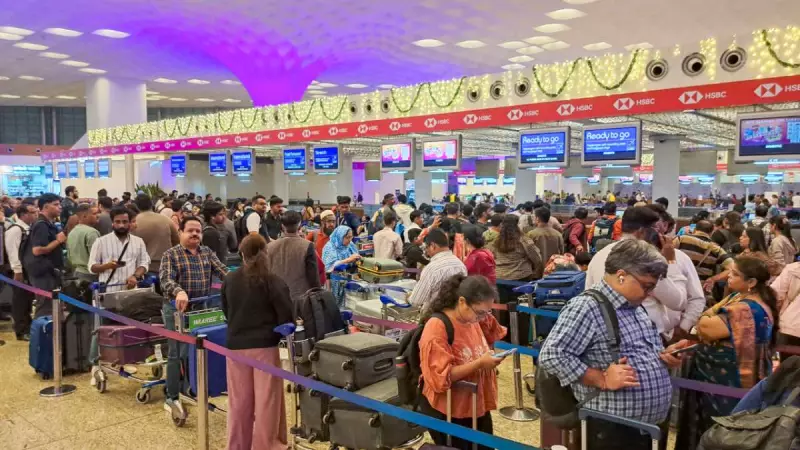
Hundreds of air travelers across India faced significant disruption as the country's largest carrier, IndiGo, was forced to cancel a slew of flights over the weekend. The airline cited a confluence of factors, primarily a shortage of available pilots coinciding with new, stricter flight duty time limitation (FDTL) rules imposed by the aviation regulator.
What Triggered the Widespread Cancellations?
The immediate cause of the travel chaos was a shortage of crew members, particularly pilots. This shortage was exacerbated by the recent implementation of revised Flight Duty Time Limitation (FDTL) regulations by the Directorate General of Civil Aviation (DGCA). These new rules are designed to enhance flight safety by mandating more rest time for pilots, but they have also reduced the overall availability of crew for flying duties in the short term.
IndiGo, in an official statement, acknowledged the issue. The airline stated that the cancellations were a proactive measure taken to manage the disruption caused by the combination of crew unavailability and the new DGCA norms. They emphasized that such cancellations were done well in advance to minimize inconvenience and provide adequate notice to affected passengers.

Impact on Major Airports and Passenger Woes
The ripple effect of the cancellations was felt most acutely at India's busiest airports. Delhi's Indira Gandhi International Airport (DEL), Mumbai's Chhatrapati Shivaji Maharaj International Airport (BOM), and Bengaluru's Kempegowda International Airport (BLR) reported the highest number of impacted flights. Social media platforms were flooded with complaints from frustrated passengers who were either stranded or faced with long delays.
Reports suggest that over 30 IndiGo flights were canceled during this period, with many more experiencing delays. The airline worked to accommodate passengers on alternative flights, but the sudden nature of the cancellations left many scrambling for last-minute options. The situation highlighted the operational challenges airlines face when regulatory changes intersect with existing resource constraints.
Looking Ahead: Normalization and Regulatory Context
IndiGo has assured passengers and authorities that it is taking all necessary steps to stabilize its operations. The airline is actively working to mitigate the crew shortage issue and align its schedules with the new FDTL rules. A return to normal flight operations is expected in the coming days as these measures take effect.
This incident underscores a critical period of adjustment for the Indian aviation industry. The DGCA's updated FDTL rules, while crucial for long-term safety, require airlines to significantly overhaul their crew scheduling and management systems. For a carrier as large as IndiGo, which operates a massive fleet with a high frequency of flights, this transition period can be particularly sensitive to any external pressures, such as unexpected crew unavailability due to sickness or other factors.
The weekend's disruptions serve as a reminder of the delicate balance between operational efficiency, regulatory compliance, and passenger convenience in the fast-growing Indian aviation market.






