

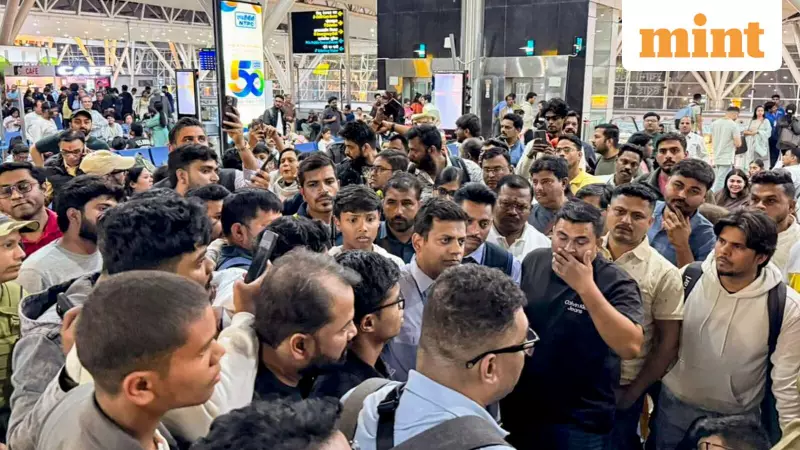
India's largest airline, IndiGo, is set to reduce its flight schedule after days of severe operational disruptions that left thousands of passengers stranded across the country. The airline has publicly admitted to serious misjudgments and planning failures, particularly in rolling out new crew duty rules.
Scale of the Disruption and Regulatory Scrutiny
The Directorate General of Civil Aviation (DGCA) revealed that IndiGo has been witnessing a dramatic spike in daily flight cancellations, with numbers soaring to between 170 and 200 flights per day. This figure is substantially higher than the carrier's normal operations. The aviation regulator has been closely monitoring the situation following a flood of passenger complaints.
The crisis prompted a high-level meeting chaired by the Union Civil Aviation Minister, Kinjarapu Ram Mohan Naidu. The meeting included IndiGo's senior management and officials from the DGCA. The Minister expressed clear dissatisfaction with how the airline managed the situation and issued several directives.

Airline's Admission and Corrective Plan
In a message to employees, IndiGo's Chief Executive Officer, Pieter Elbers, conceded that the airline failed its customers. "We serve close to 380,000 customers a day and want each of them to have a good experience. We could not live up to that promise these past days, and we have publicly apologised for that," Elbers stated.
He identified a confluence of challenges that led to the meltdown:
- Operational and minor technology issues.
- Adverse weather conditions and general airport congestion.
- The core problem: flawed implementation of the second phase of the Flight Duty Time Limitations (FDTL) norms for pilots and cabin crew.
As a corrective measure, IndiGo will proactively reduce its number of flights starting December 8. The airline warned the DGCA that more cancellations are likely over the next 2–3 days as it works to stabilise its schedule. IndiGo projects that fully stable flight operations will only be restored by February 10, 2026.
Government Directives and Passenger Protection
Following the meeting, the Civil Aviation Ministry outlined strict instructions for IndiGo. Minister Naidu directed the airline to urgently normalise operations and ensure no increase in airfares exploits the current shortage of capacity.
Key passenger-centric orders include:
- Proactively informing travellers of any cancellations well in advance.
- Promptly providing all necessary facilities, including hotel accommodation where required.
The DGCA has been tasked with enforcing these measures through strict real-time monitoring of IndiGo's operations. This will involve field inspections at major airports, with a special focus on how the airline handles passengers and communicates during delays and cancellations.
The ongoing disruption highlights the fragile balance in India's booming aviation sector, where rapid growth can sometimes strain operational resilience, directly impacting the travelling public.






