India's aviation sector, a critical artery of the nation's economic and social mobility, has been jolted by a series of unsettling events involving its largest carrier. IndiGo, the airline that commands over 60% of the domestic market share, is navigating through a patch of severe turbulence, drawing intense scrutiny from both passengers and regulators.
A String of Mid-Air Alarms and Grounded Flights
The Directorate General of Civil Aviation (DGCA), India's aviation watchdog, has taken a serious view of the recent spate of incidents. The regulator confirmed it is actively investigating the causes behind more than 35 instances of flight disruptions involving IndiGo aircraft in just the last ten days. This alarming frequency has raised red flags about operational reliability and safety protocols.
The problems have been varied and widespread. Passengers across the country have faced delays, cancellations, and in-flight emergencies. One of the most serious incidents occurred on a flight from Nagpur to Mumbai. The aircraft was forced to make a priority landing after the pilot reported a technical snag with the engine, causing understandable anxiety among those on board. In another event, a flight destined for Bengaluru had to return to its origin airport shortly after takeoff due to a separate technical issue.

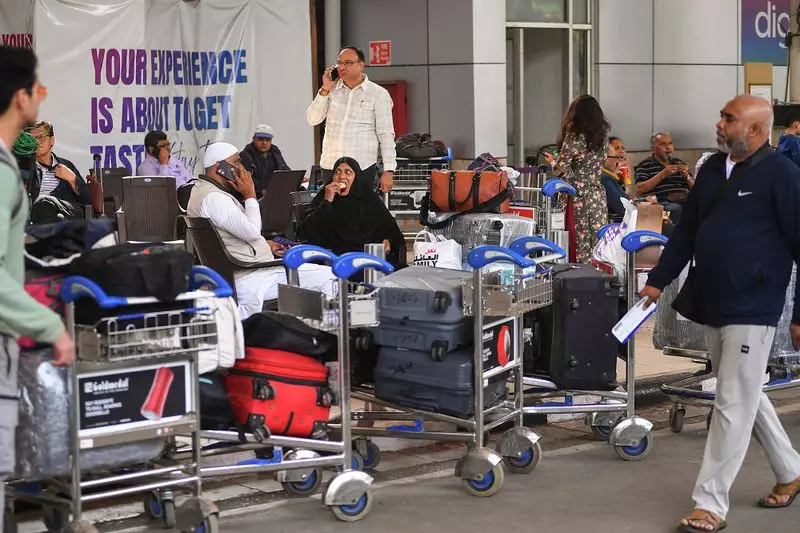
While technical glitches formed a core part of the troubles, they were not the only culprits. The dense winter fog in North India, particularly in Delhi, played a significant role in the chaos, leading to multiple delays and diversions. Furthermore, issues related to crew availability—a point of contention between the airline and its pilots in recent times—also contributed to the operational meltdown, leaving thousands of travelers stranded and frustrated.
Regulatory Scrutiny and Passenger Backlash
The DGCA's response has been swift and firm. Officials have stated that the airline has been asked to provide detailed reports on each incident. The regulator is examining whether these events point to deeper systemic issues in maintenance, operations, or crew scheduling. The sheer volume of disruptions in a short span suggests a pattern that cannot be attributed solely to external factors like weather.
The fallout has been immediate and public. Social media platforms have been flooded with complaints from disgruntled passengers sharing stories of missed connections, important events, and business meetings. The airline's reputation for punctuality and efficiency, a key factor in its dominant market position, has taken a visible hit. Industry analysts are watching closely, noting that such consistent operational failures could erode passenger trust and provide an opening for competitors in a highly competitive market.
Navigating the Headwinds: What Lies Ahead for IndiGo?
For IndiGo, the path forward involves navigating both immediate regulatory compliance and long-term strategic correction. The airline must swiftly address the DGCA's concerns to avoid potential penalties or stricter oversight. This likely entails a thorough review of its maintenance checks, spare parts logistics, and crew management systems.
The recent events also cast a spotlight on the pressures facing the Indian aviation ecosystem as a whole. As demand for air travel soars, airlines are pushing their fleets and personnel to the limit. The challenges include:
- Managing an aging segment of the fleet alongside new arrivals.
- Ensuring adequate and rested crew amidst rapid expansion.
- Dealing with infrastructural constraints at major airports.
IndiGo's current stumble serves as a cautionary tale for the industry. While the airline has built a formidable network and brand, sustained growth must be underpinned by unwavering operational integrity and safety. How the carrier responds to this crisis will be a critical test of its management and resilience. Passengers and investors alike will be looking for clear signs that the airline is not just the biggest, but also robust and reliable enough to maintain its leadership in the skies.