

India's aviation sector has been thrown into disarray following a wave of flight cancellations and delays at the country's largest carrier, IndiGo. The crisis has been directly attributed to the airline's failure to adhere to newly revised regulations governing pilot working hours.
Minister Holds IndiGo Accountable for Regulatory Failure
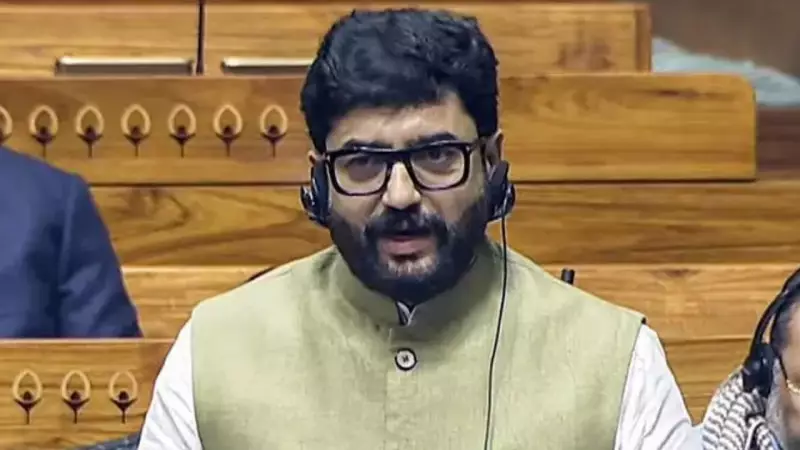
Junior Civil Aviation Minister Murlidhar Mohol, speaking in Pune on Sunday, placed the blame squarely on IndiGo's shoulders. He revealed that the airline was fully aware of the updated Flight Duty Time Limitation (FDTL) norms but chose not to comply with them in a timely manner. This lack of planning, according to the minister, is the root cause of the recent operational meltdown that left thousands of passengers stranded.
"This problem happened because IndiGo didn't pay attention to FDTL regulations," Mohol stated. He confirmed that the ministry has issued a formal show-cause notice to the airline's Chief Executive Officer. "After knowing about the revised FDTL norms, IndiGo should have acted immediately but failed to do so," he added, expressing his disappointment at the carrier's inaction.

Timeline of the FDTL Rollout and Current Measures
The Centre had revised the FDTL norms last year, with airlines initially expected to comply by June 2024. This deadline was later deferred, and a phased implementation was scheduled to begin on July 1, 2025. The aviation regulator, Directorate General of Civil Aviation (DGCA), fully enforced the revised guidelines starting November 1 this year.
In response to the escalating chaos, the government has taken emergency steps. Mohol announced a stay on the new FDTL guidelines until February 2026 to help normalise flight services. Furthermore, a four-member inquiry committee has been established to investigate the matter thoroughly, with its report expected soon.
"IndiGo will definitely face action. That is why the show-cause has been sent to the CEO," the minister reiterated. He assured the public that all efforts are being directed towards restoring normalcy in air travel. While acknowledging that the situation was severe a few days prior, Mohol noted that improvements are now becoming evident.
Experts Criticise Government's Response and IndiGo's Dominance
However, aviation experts have challenged the minister's narrative, accusing the government of capitulating to the airline. Sanjay Lazar, CEO of Avialaz Consultants, argued that the authorities had "bowed down" before IndiGo on the FDTL issue.
Lazar expressed shock that the minister ordered a stay on the norms without clarifying which set of Civil Aviation Rules would apply in the interim. He also criticised the DGCA for failing in its monitoring duties and for approving IndiGo's increased winter schedule despite the airline's apparent shortage of compliant pilots.
Highlighting a potential systemic risk, Lazar suggested a radical solution: "Some of the airline's slots should be allocated to others to allow IndiGo to stabilise and stay below 50% market share." This comment underscores concerns over IndiGo's commanding market position, which currently exceeds 65%. Former Pune airport director Deepak Shastri echoed these concerns, stating that the crisis at IndiGo has exerted significant "pressure" on major aviation hubs across the nation.
The unfolding situation presents a critical test for India's aviation regulators, balancing passenger safety through strict duty norms against the operational realities of its most dominant airline. The outcome of the inquiry and the subsequent action against IndiGo will be closely watched by the entire industry.






