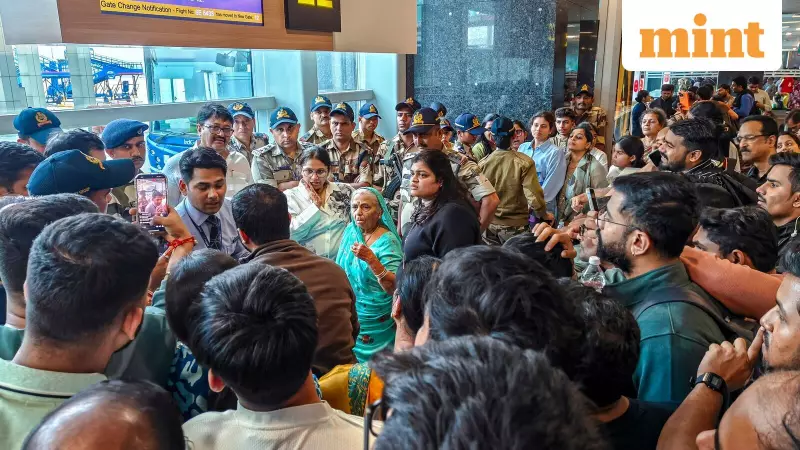
India's domestic aviation network is in turmoil, with close to 50% of all flights being cancelled over the last three days. The crisis, centered primarily on the country's largest carrier IndiGo, has left hundreds of thousands of passengers stranded and forced the aviation regulator to temporarily roll back newly implemented safety rules designed to combat pilot fatigue.
Regulatory Rollback Amid Operational Meltdown
In a significant move, the Directorate General of Civil Aviation (DGCA) on Friday granted IndiGo a one-time exemption, allowing it time until 10 February 2026 to comply with strict limits on consecutive night operations. The regulator stated this pause was essential for operational stabilization but insisted it did not dilute safety. A four-member panel has been formed to probe the operational breakdown at IndiGo, with findings expected in 15 days.
The DGCA had introduced two key rules. The first, effective from 1 July, increased mandatory weekly rest for pilots from 36 to 48 hours and barred airlines from substituting other leave with this rest. This rule has now been rolled back entirely. The second rule, effective 1 November, limited pilots to only two consecutive night flights (between midnight and 6 am). While this remains for other airlines, IndiGo gets additional time to comply.

Passenger Nightmare and Soaring Fares
The fallout for travellers has been severe. IndiGo, which operates nearly two-thirds of India's 3,785 daily flights, has cancelled over 1,000 of its scheduled 2,200 domestic flights in recent days. The airline had already scrapped more than 1800 flights between 1 and 4 December. CEO Pieter Elbers stated that normalcy may only return between 10 and 15 December.
Passengers at major hubs like Delhi, Mumbai, and Bengaluru reported hours of delays, last-minute cancellations, and chaos. A Bengaluru passenger, who arrived for an 8:15 am flight to Kolkata, was informed of its cancellation only after a nine-hour wait. The disruption has caused airfares to skyrocket; a typical Delhi-Mumbai ticket priced at ₹6,000-8,000 surged to as high as ₹24,774, with one instance hitting ₹46,000 during the day.
Industry Backlash and Safety Concerns
The regulator's decision to grant relief has drawn sharp criticism from aviation safety experts and pilot bodies. Mark D. Martin of Martin Consulting stated the rollback reflects poorly on the DGCA, suggesting it buckled under pressure from a single carrier. Sanjay Lazar of Avialaz Consulting warned this sets a dangerous precedent, pushing Indian aviation backward on globally aligned safety standards.
The Airlines Pilot Association of India (Alpa) strongly objected to the relaxations, calling them "dangerous and indefensible" as they cater to one airline against pilot welfare. Analysts point to IndiGo's night-heavy, high-utilisation operational model as the core issue, which is acutely sensitive to stricter fatigue norms. Despite repeated warnings, the airline failed to adequately plan for manpower and rostering, leading to a severe pilot shortage and 170-200 daily cancellations since late November.
The crisis has also drawn political attention, with opposition leader Rahul Gandhi criticizing the government's handling on social media. As the probe begins and airlines scramble to stabilize, the incident raises fundamental questions about the balance between operational growth and non-negotiable safety protocols in the world's fastest-growing aviation market.