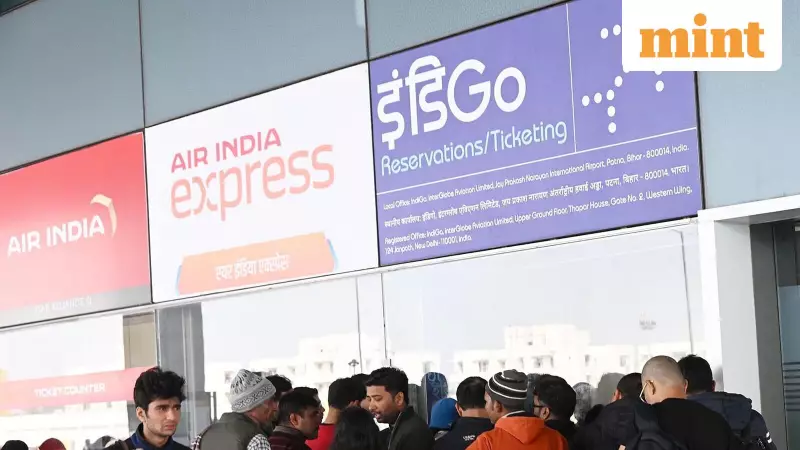
India's largest airline, IndiGo, is grappling with a severe operational crisis as widespread flight cancellations entered their sixth consecutive day on Sunday, December 7. The budget carrier, operated by InterGlobe Aviation Limited, cancelled a significant number of flights, primarily impacting the country's two busiest airports.
Scale of the Disruptions
On Sunday, the airline cancelled 112 flights at Mumbai's Chhatrapati Shivaji Maharaj International Airport and approximately 109 flights at Delhi's Indira Gandhi International Airport. This brought the total cancellations for the day to over 220 flights from just these two hubs. Details regarding cancellations from other major airports like Kolkata, Bengaluru, Hyderabad, and Ahmedabad were not fully disclosed, though previous day's data indicated substantial numbers.
While the situation remains critical, Sunday's numbers mark a slight improvement from the peak of the crisis. On Friday, the airline had to cancel a staggering 1,600 out of its 2,300 daily flights in a drastic attempt to reset its operations. The number reduced to around 800 cancellations on Saturday before the further decline witnessed on Sunday.

Regulatory Scrutiny and Airline's Response
The aviation regulator, the Directorate General of Civil Aviation (DGCA), took serious note of the massive disruptions. On Saturday, it issued a show cause notice to IndiGo CEO Pieter Elbers and COO & Accountable Manager Porqueras. The notice demanded a response within 24 hours, seeking an explanation for the large-scale flight cancellations and perceived lapses in planning, oversight, and resource management.
According to the DGCA, the primary cause appears to be the non-provisioning of adequate arrangements required for the smooth implementation of the airline's approved Flight Duty Time Limitations (FDTL) scheme. In its defense, IndiGo stated that operating a minimal schedule on Friday was a deliberate move to "reboot the network, systems, and rosters" to start afresh with improved stability.
Government Intervention and Inquiry Panel
Civil Aviation Minister K Rammohan Naidu convened a serious meeting with CEO Elbers and senior ministry officials to review the situation. Simultaneously, the DGCA constituted a four-member inquiry panel to investigate the root causes and recommend mitigation measures.
The panel, led by Joint Director General Sanjay K Bramhane, includes Deputy Director General Amit Gupta, Senior Flight Operations Inspector Captain Kapil Manglik, and Flight Operations Inspector Captain Rampal. This committee has been tasked with submitting its findings and recommendations to the DGCA within 15 days.
Passenger Fallout and Soaring Airfares
The cascading effect of the cancellations was immediately felt by passengers across the country. The sudden reduction in available seats led to a sharp spike in airfares on many routes. This prompted authorities to intervene, capping ticket prices and mandating that the airline ensure complete refunds for all cancelled or significantly delayed flights by 8 pm on Sunday.
The ongoing crisis underscores the challenges of managing large-scale airline operations and highlights the critical importance of robust rostering and contingency planning in the aviation sector, especially during peak travel periods.