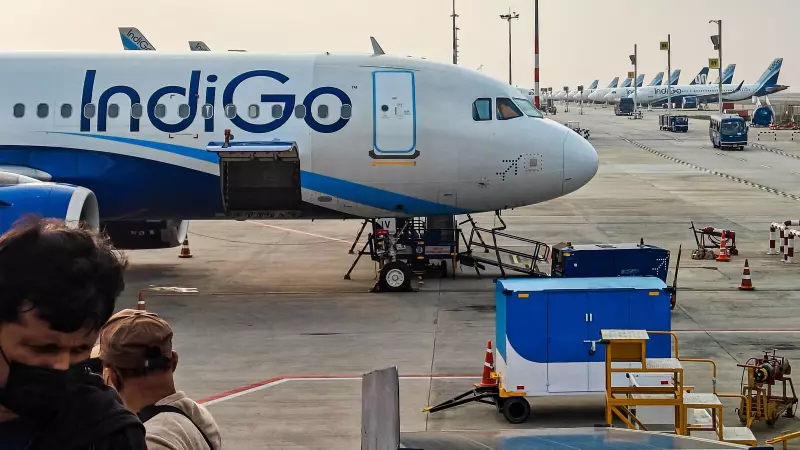
India's aviation sector has been thrown into turmoil as the country's largest carrier, IndiGo, grapples with massive operational disruptions. The airline, which operates a vast network of approximately 2,300 flights daily, has been forced to cancel hundreds of flights over several days. The crisis, stemming from a severe crew shortage following the implementation of new Flight Duty Time Limitation (FDTL) norms, has left thousands of passengers stranded and caused airfares to hit unprecedented levels.
The Core of the Crisis: Crew Shortage and Regulatory Changes
The Directorate General of Civil Aviation (DGCA) introduced revised FDTL regulations effective November 1, aimed at enhancing pilot rest periods and flight safety. While other major airlines like Air India and SpiceJet adjusted their operations accordingly, IndiGo faced a severe mismatch. Aviation experts, including Subhash Goyal, pointed out that IndiGo expanded its international routes and domestic flights without a proportional increase in pilots and crew, despite being advised to recruit more staff over a year ago.
Civil Aviation Minister Ram Mohan Naidu squarely blamed IndiGo's "mismanagement" for the chaos. "What has unfolded is due to mismanagement by IndiGo regarding its crew," the minister stated. In response to the crisis, the government formed a high-level committee to investigate the lapses. "Whoever is responsible for the present situation needs to pay for it," Naidu asserted.

Passenger Fallout: Sky-High Fares and Travel Chaos
The immediate impact on passengers has been severe. December 5 was the worst-hit day, with IndiGo cancelling over 1,000 flights, including all domestic departures from Delhi Airport until Friday midnight. The ripple effect led to an extraordinary surge in last-minute airfares on other carriers. According to reports, a one-stop SpiceJet economy ticket from Kolkata to Mumbai for December 6 was priced at a staggering ₹90,000, while an Air India ticket on the Mumbai-Bhubaneswar route soared to ₹84,485.
Travel industry veterans decried the situation. Ajay Prakash, former president of the Travel Agents' Association of India, called it "black marketing" and "profiteering," noting that fares had surged up to six times their normal average. Samajwadi Party MP Dimple Yadav also slammed the arbitrary fare hikes, urging immediate government intervention.
Road to Recovery and Mitigation Efforts
IndiGo's CEO, Peter Elbers, issued a video apology on Friday, acknowledging the "severe operational disruptions." He projected that operations would return to normal between December 10 and 15, with cancellations on Saturday expected to fall below 1,000. To aid its recovery, the DGCA granted IndiGo a one-time exemption from certain night-duty pilot rules until February 10, 2026, and relaxed norms on counting pilot leave as part of weekly rest.
Meanwhile, the Indian Railways stepped in to alleviate passenger distress, deploying 116 additional coaches in 37 premium trains across over 114 trips. The Southern, Western, and Eastern Railways augmented capacity on high-demand routes to accommodate the sudden spike in rail travel.
Delhi Airport announced that flight operations were "steadily resuming and getting back to normalcy," advising passengers to check their flight status before heading to the airport. As the investigation unfolds and IndiGo scrambles to stabilize its schedule, the episode has exposed critical vulnerabilities in planning and compliance within India's aviation ecosystem.